Changchun the Garden City
8 Aug – 15 Aug 2025
12 Jul – 10 Aug 2026
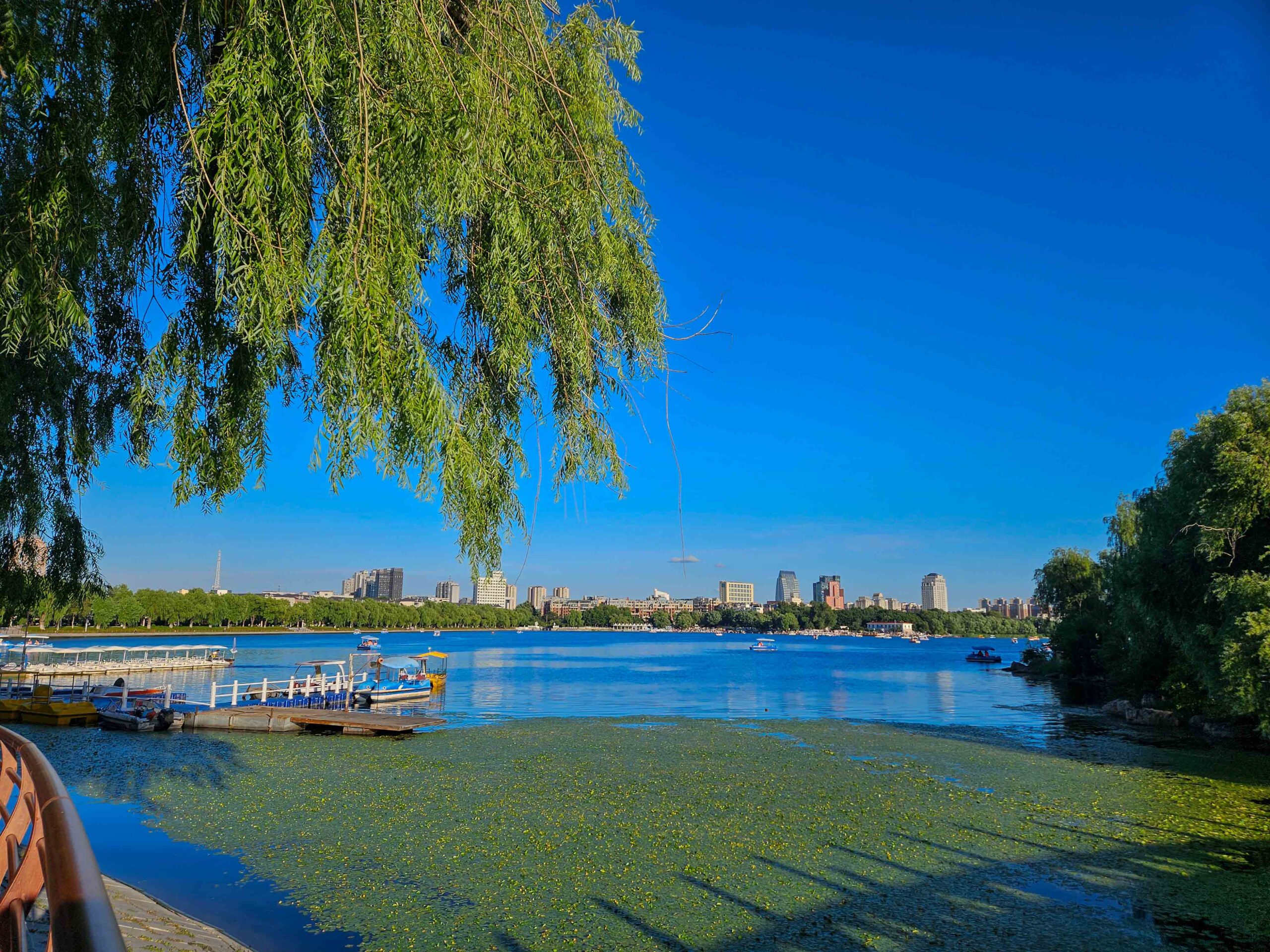
After we left Benxi in Liaoning province, we drove 320 kilometres northeast to Changchun. It is the capital city of Jilin province and is famous for the Changbai mountains, skiing and ginseng. We decided to stay just a few days exploring the city and leave the mountains till later when we returned from Heilongjiang.
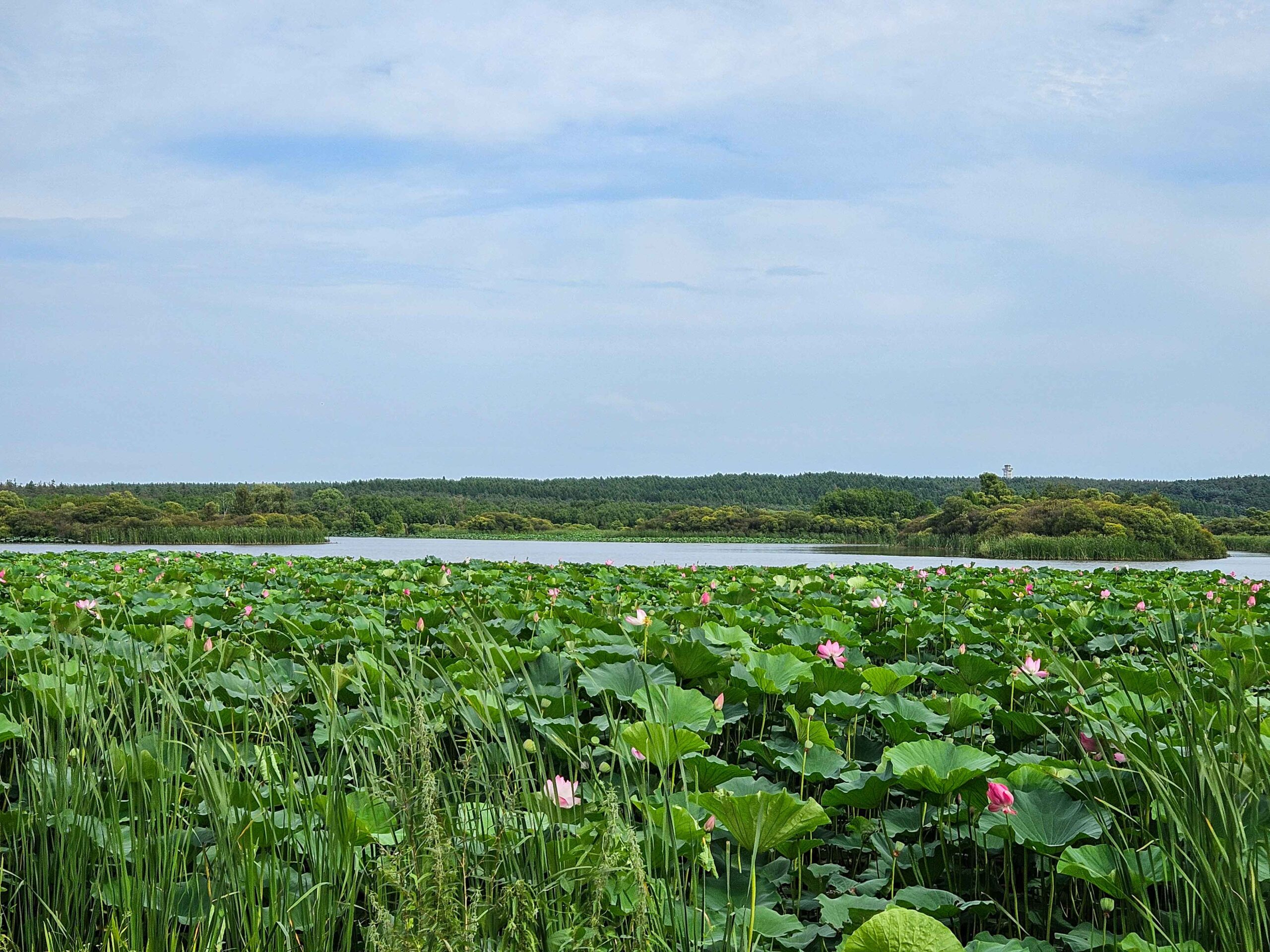
The look and vibe of Changchun could not be more different from Shenyang. The latter is like a rowdy brother – a rather messy melting pot of vibrant and contrasting cultures. One minute you found yourself in the midst of Korean neon signs, smell of Korean barbeque and honking vehicles stuck in traffic. The next minute you were back in the neighbourhood of low-rise blocks with small noodle shops, grocery stores and wet market. And you could spot a Meiji Restoration styled building here and there.
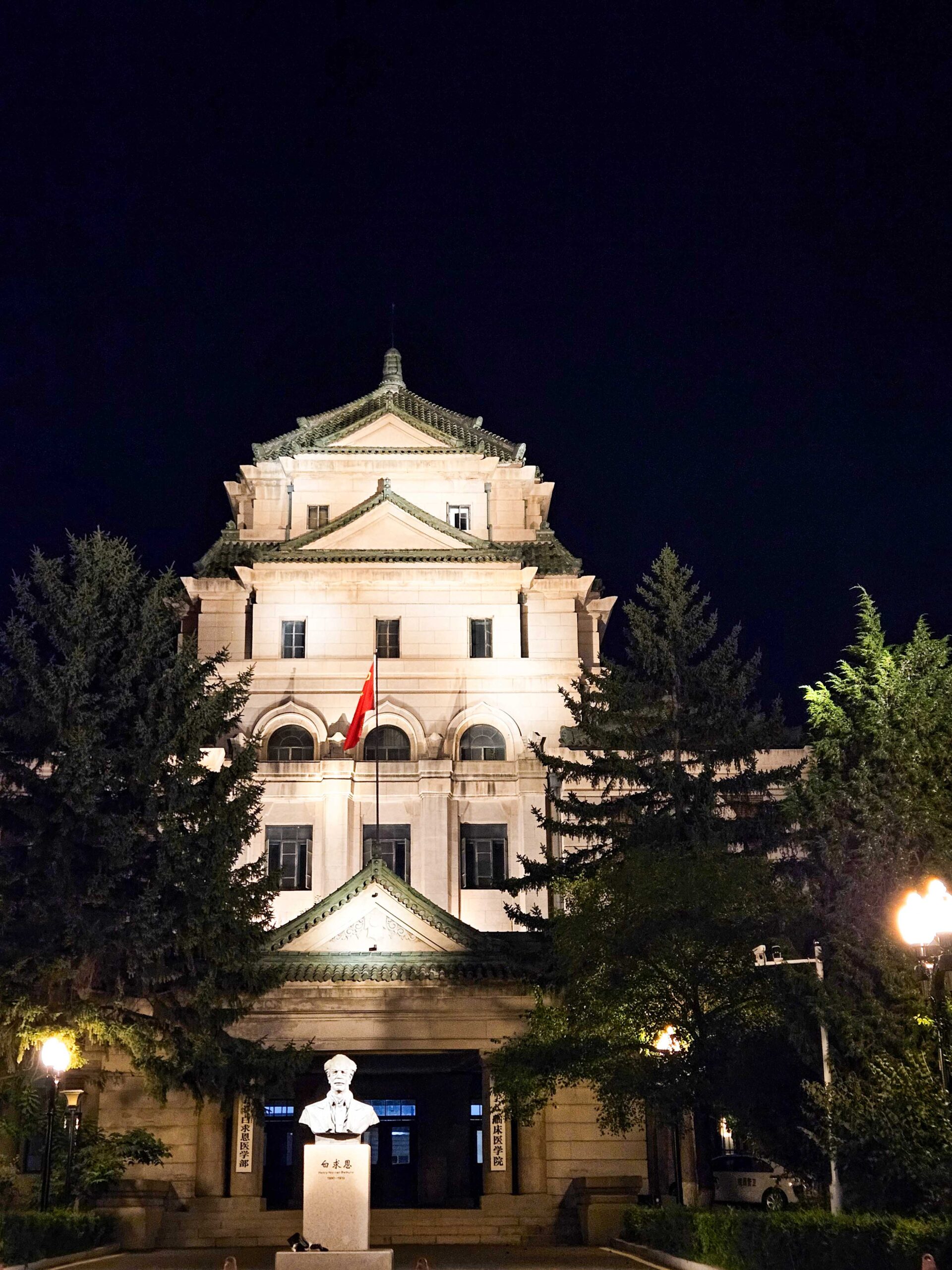
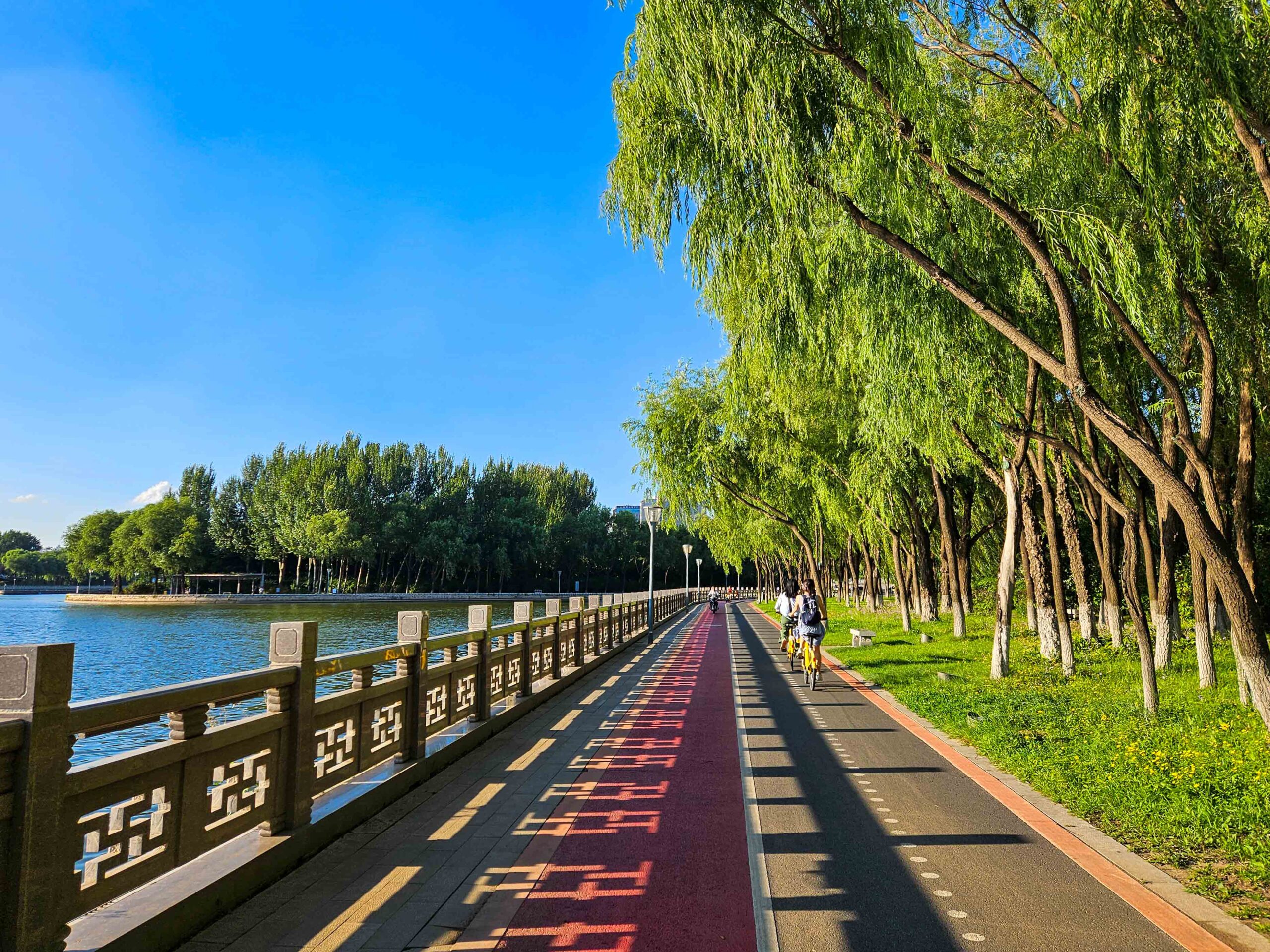
In comparison, Changchun is the elegant sister with its straight and wide birch-lined avenues and numerous monumental Meiji-styled buildings in the heart of the city. It reminds me a little of the old Chiyoda district of Tokyo – ironically, the pleasant and well-structured urban planning of the city is the most tangible reflection of its colonial history. Changchun is also one of the four national garden cities of China among Nanjing, Hangzhou and Kunming.
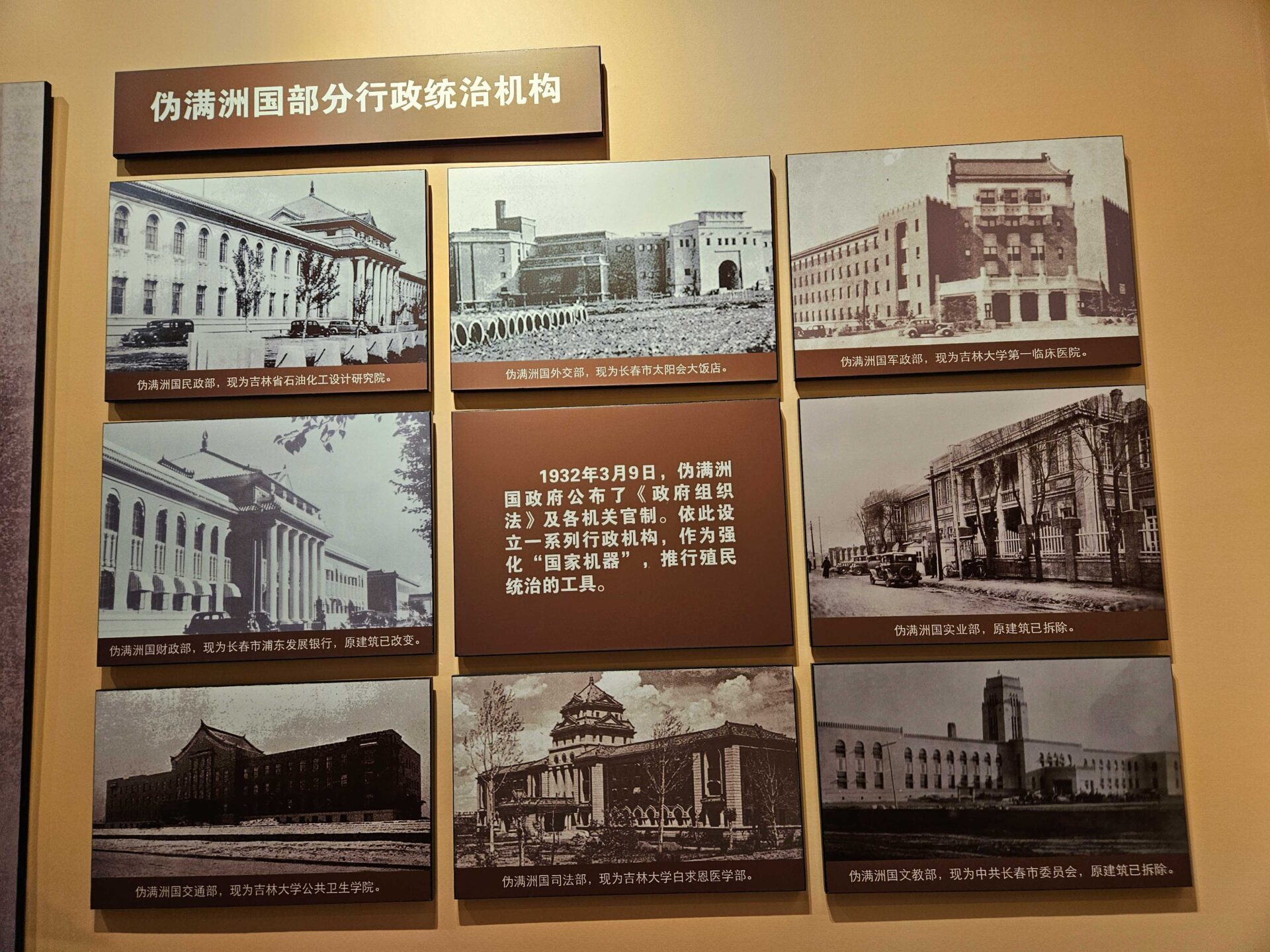
Changchun was a small fur and natural products trading post and frontier village in the first half of the nineteenth century. As the Qing dynasty was already in pretty bad shape, between 1858 and 1860, Russia annexed large tracts of territory, namely the Outer Manchuria adjoining the Heilongjiang (called Amur River in those days). Russia later obtained the rights to build and construct the Chinese Eastern Railway and hence expanded its influence southward. In 1899, Changchun’s first railway station was built. In 1906, the Chinese Eastern Railway from Changchun to Lushun was transferred to Japan after Russia lost the Russo-Japanese War and became the South Manchuria Railway.
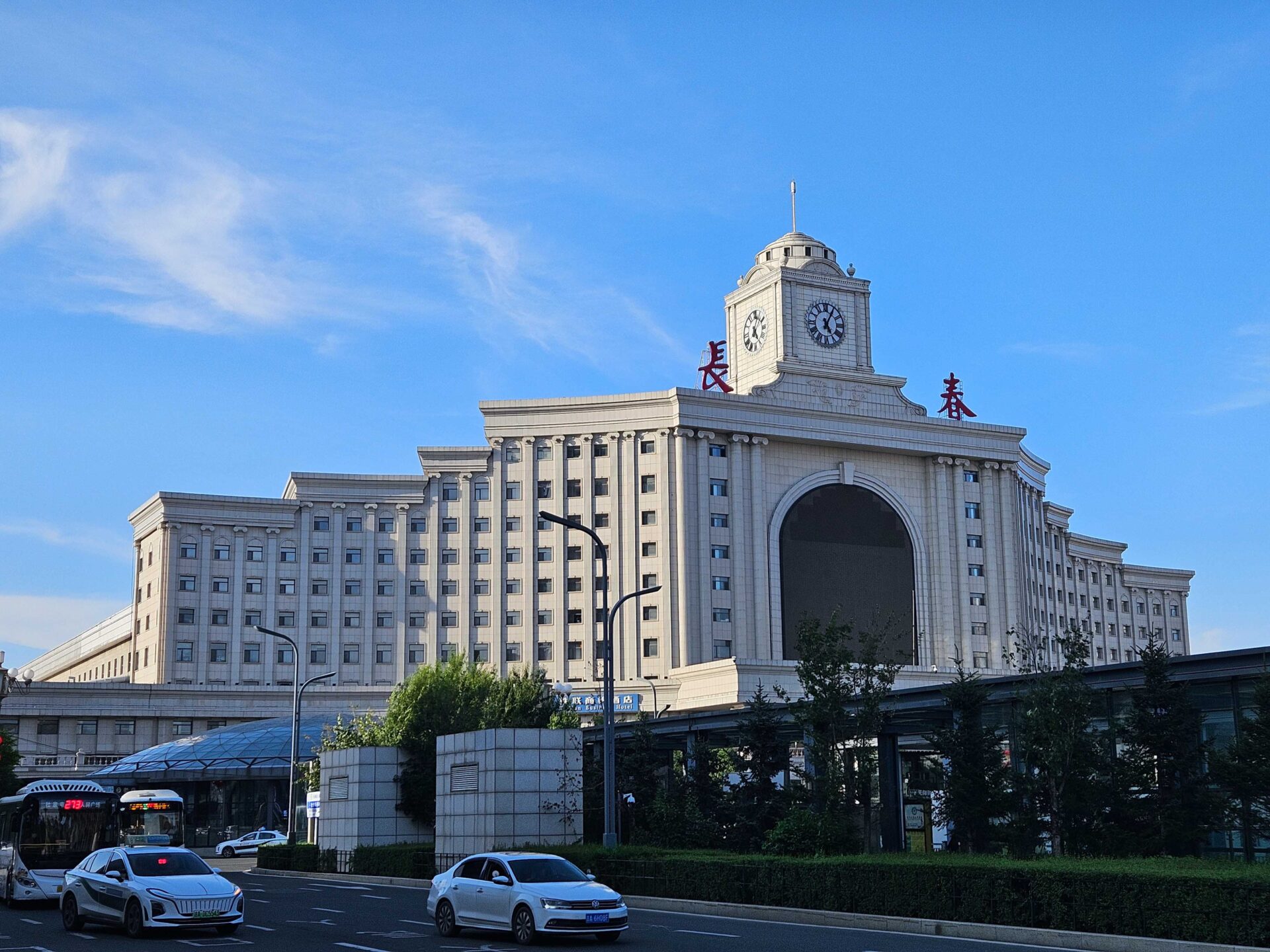
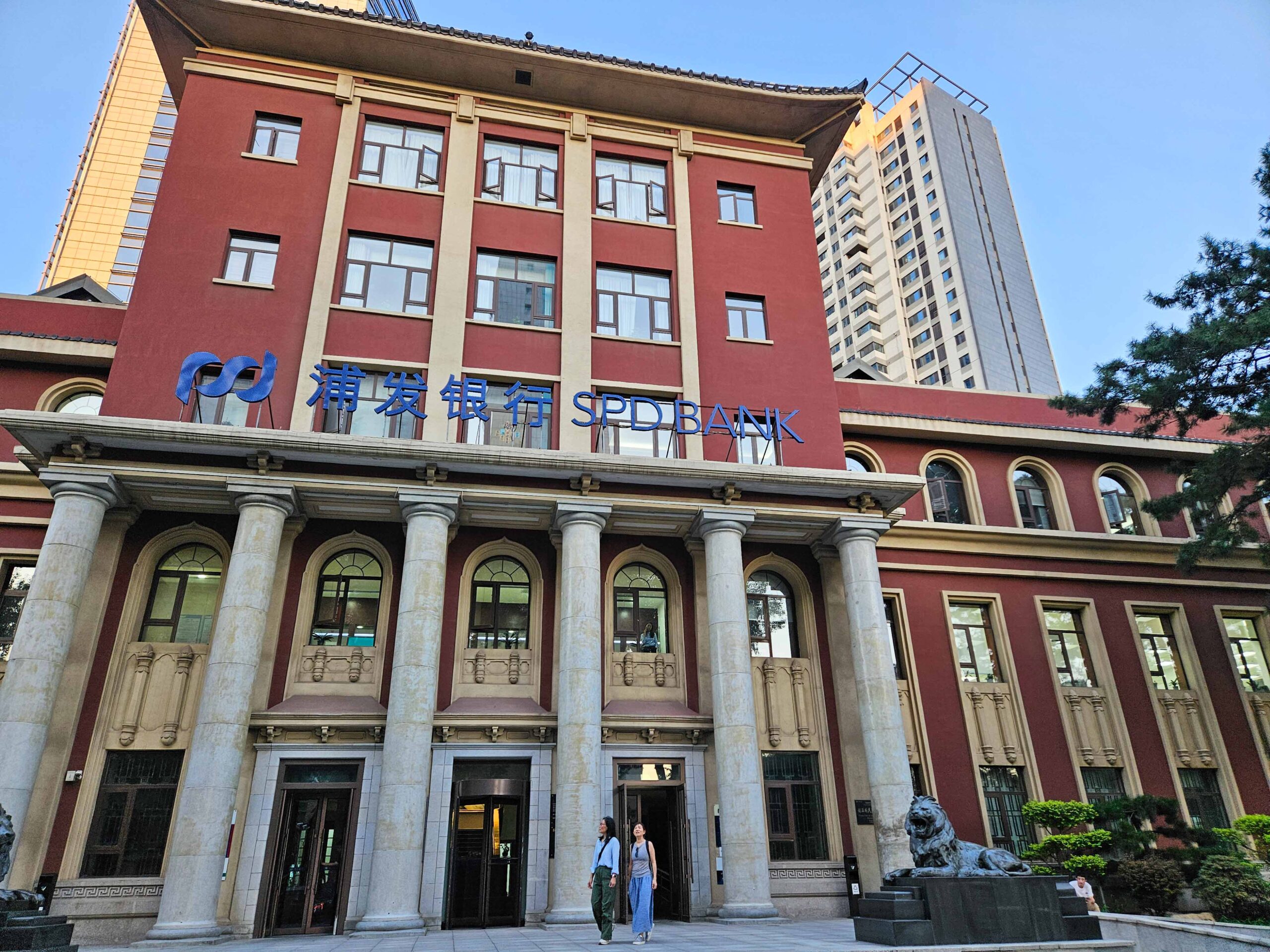
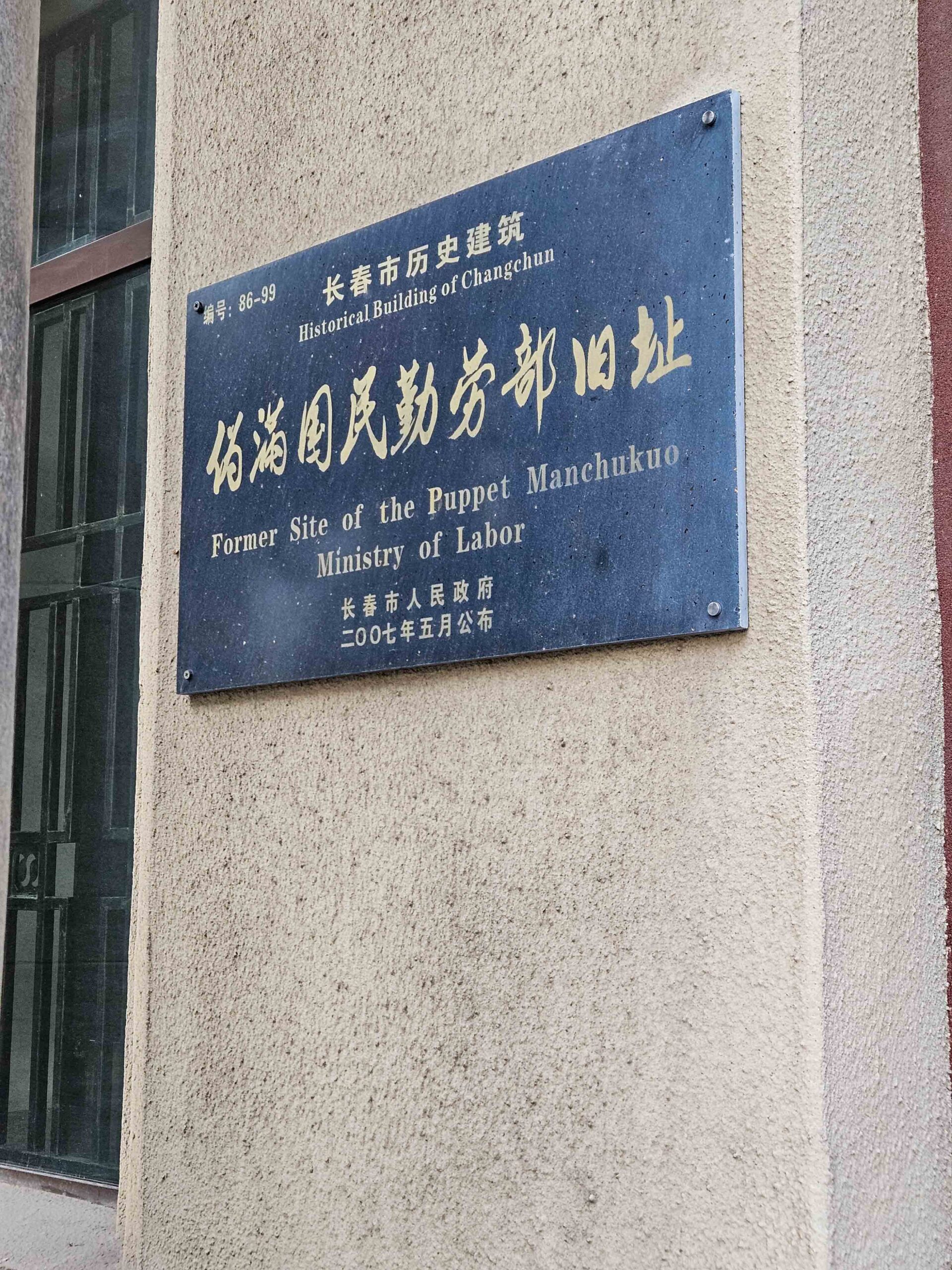
Japan saw great potential in Changchun with its vast agricultural and mineral resources and invested heavily to turn the city into a modern industrial hub. It became the capital of the puppet state of the Empire of Japan in Northeast China from 1932 until its dissolution in 1945. Since mid 1950s, it has been a major automobile manufacturing city and referred to as “Detroit of China”. But Dongbei’s economy has declined significantly since the 1990s due to its inability to transition from a planned economy to market-oriented economy. In Changchun’s case, its automobile industry faces fierce competition from fast-growing cities like Shenzhen and Hefei where BYD and NIO are based respectively .
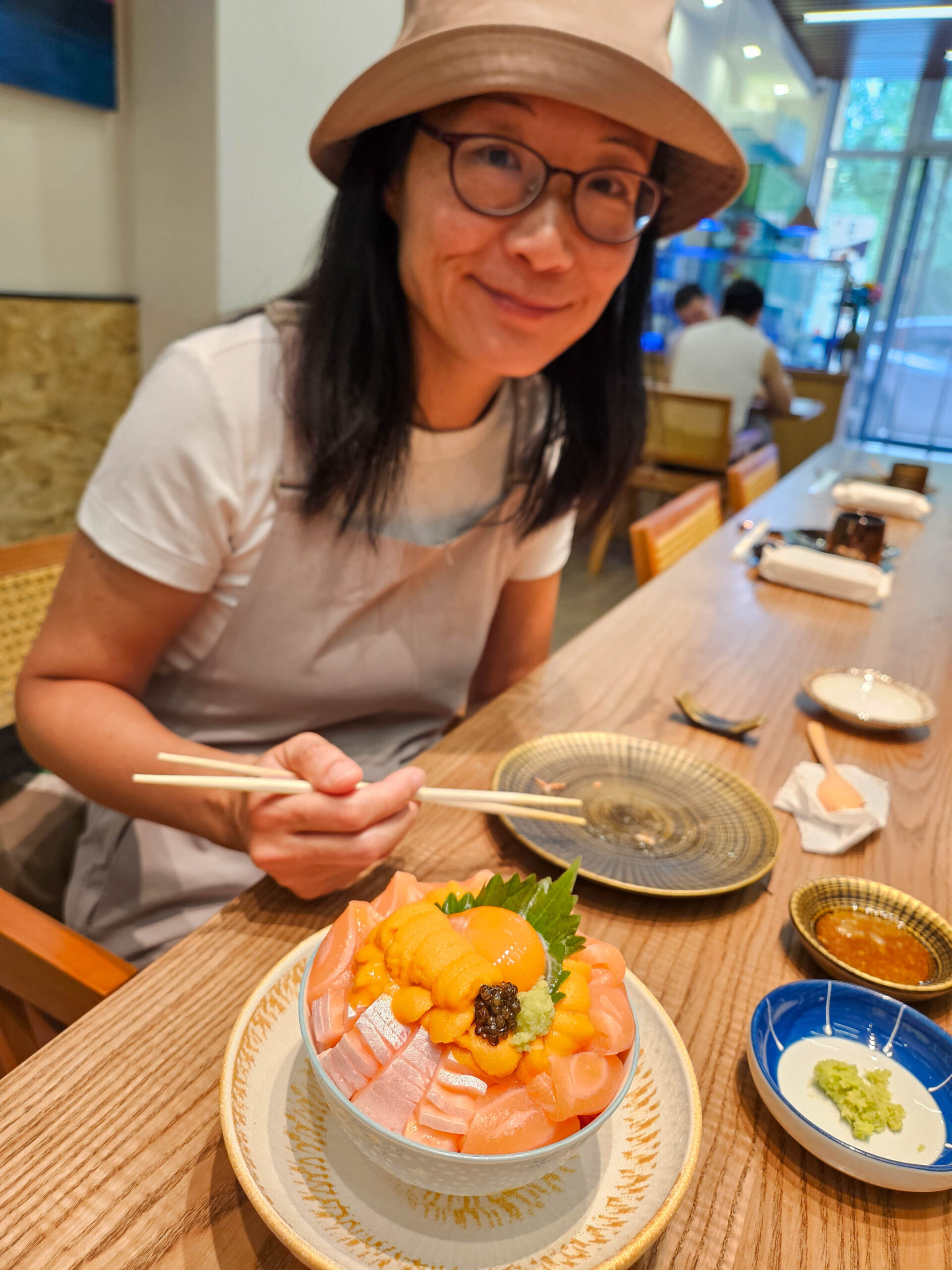
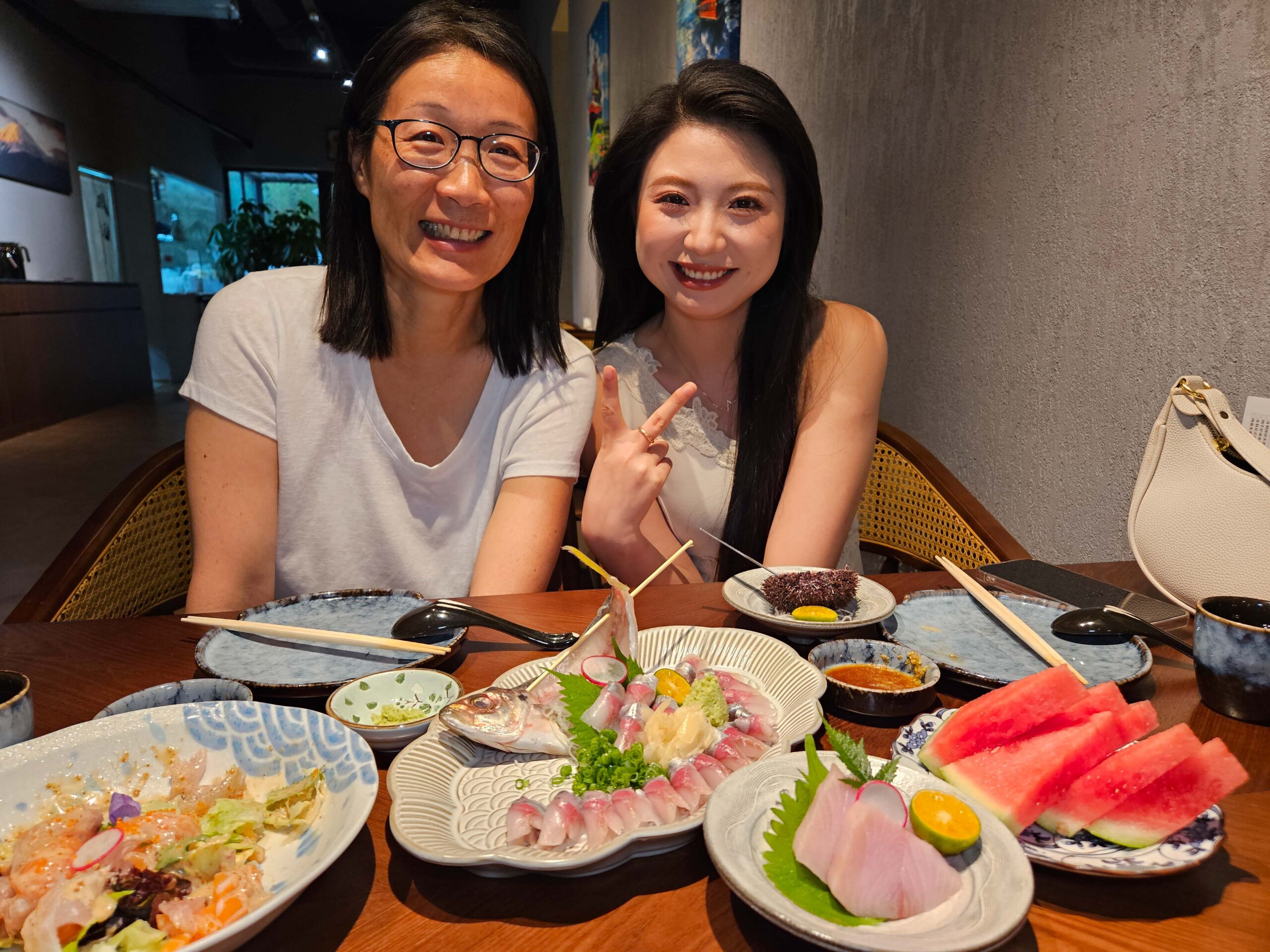
We went to a small Japanese restaurant in near a relatively new residential area. We sat at the counter and could see the chef, a twenty-something young man in action – quietly and meticulously preparing our kaisendon (mixed sashimi rice bowl). It was very fresh and delicious. I could tell the young chef is not an-outgoing person but I struck up a conversation with him and eventually exchanged WeChat contacts. We brought our friend to the restaurant again to try the Mafen sea urchin which was in season.
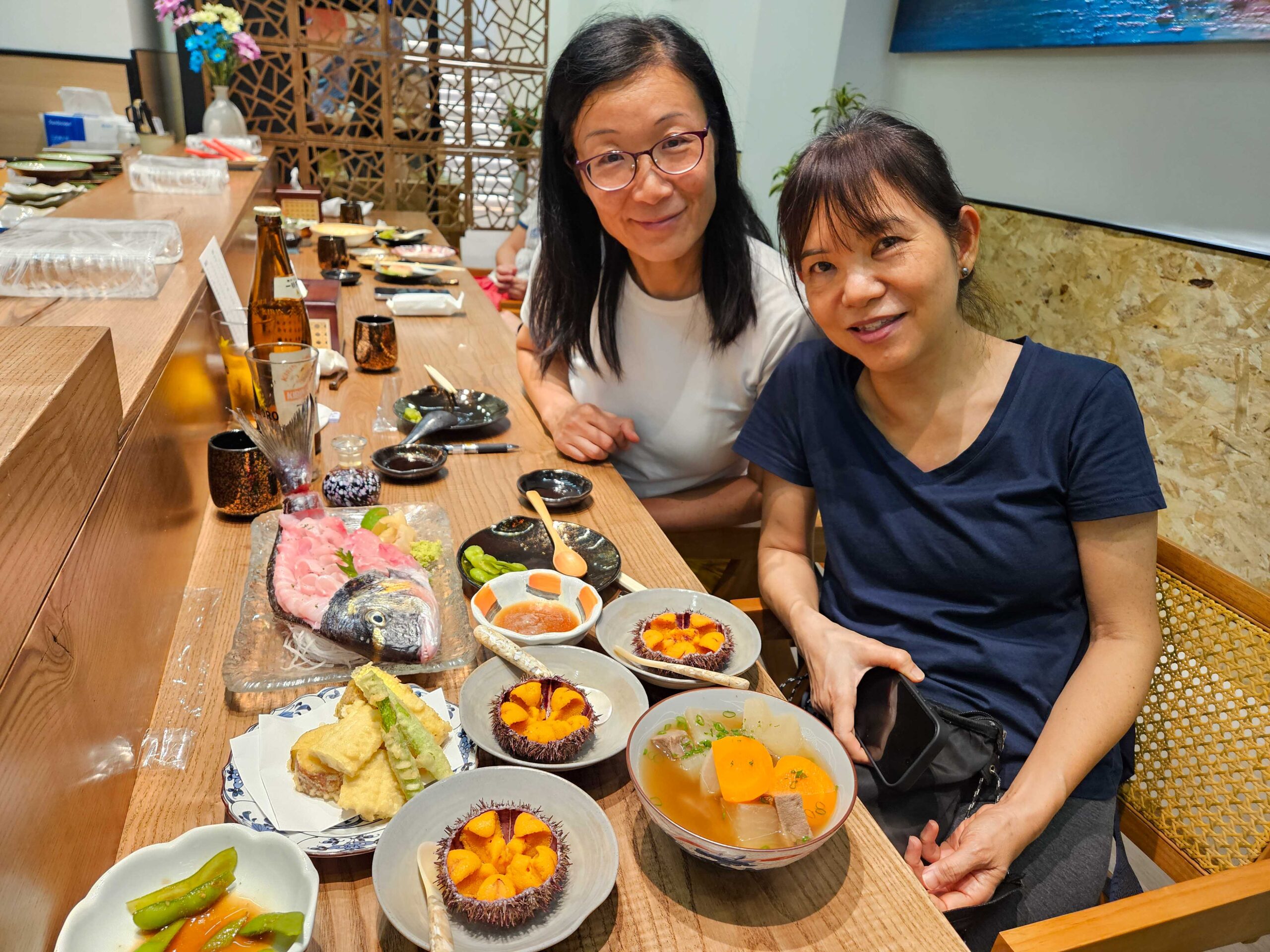
We talked on and off the next few days. One day, out of the blue, the young chef wrote “I like you”. I asked him if he sent the text by mistake as I’m old enough to be his mother (haha). He promptly answered that he did not and genuinely likes me – but not romantically as he already has a girlfriend whom he loves very much. Let me ask you when do you ever tell someone you met a few days “I like you” (apart from someone you fancy or loved ones)? And would you say it so frankly? So, you see how I never seize to be amazed by the adorably direct and affectionate nature of Dongbei people.
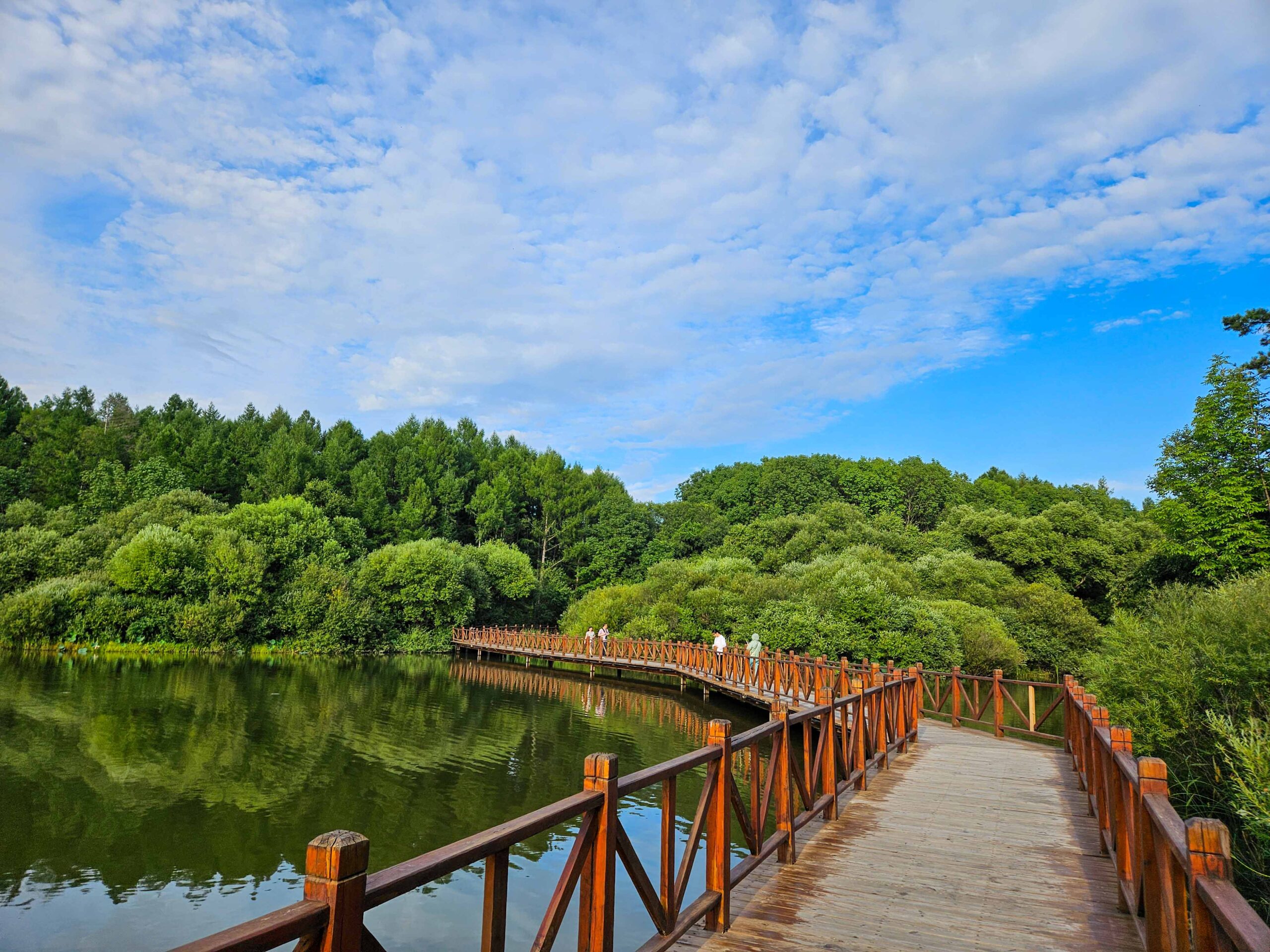
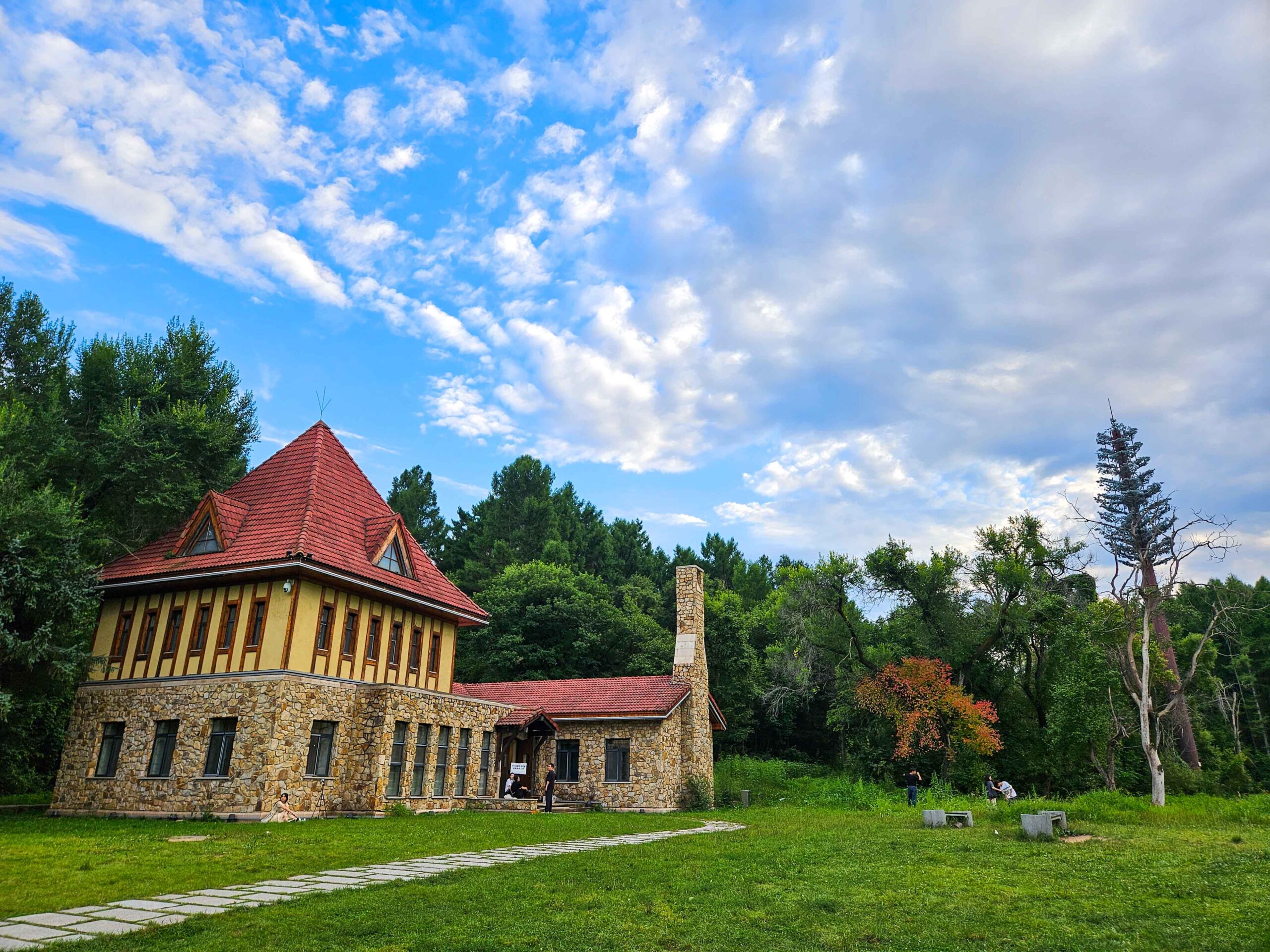
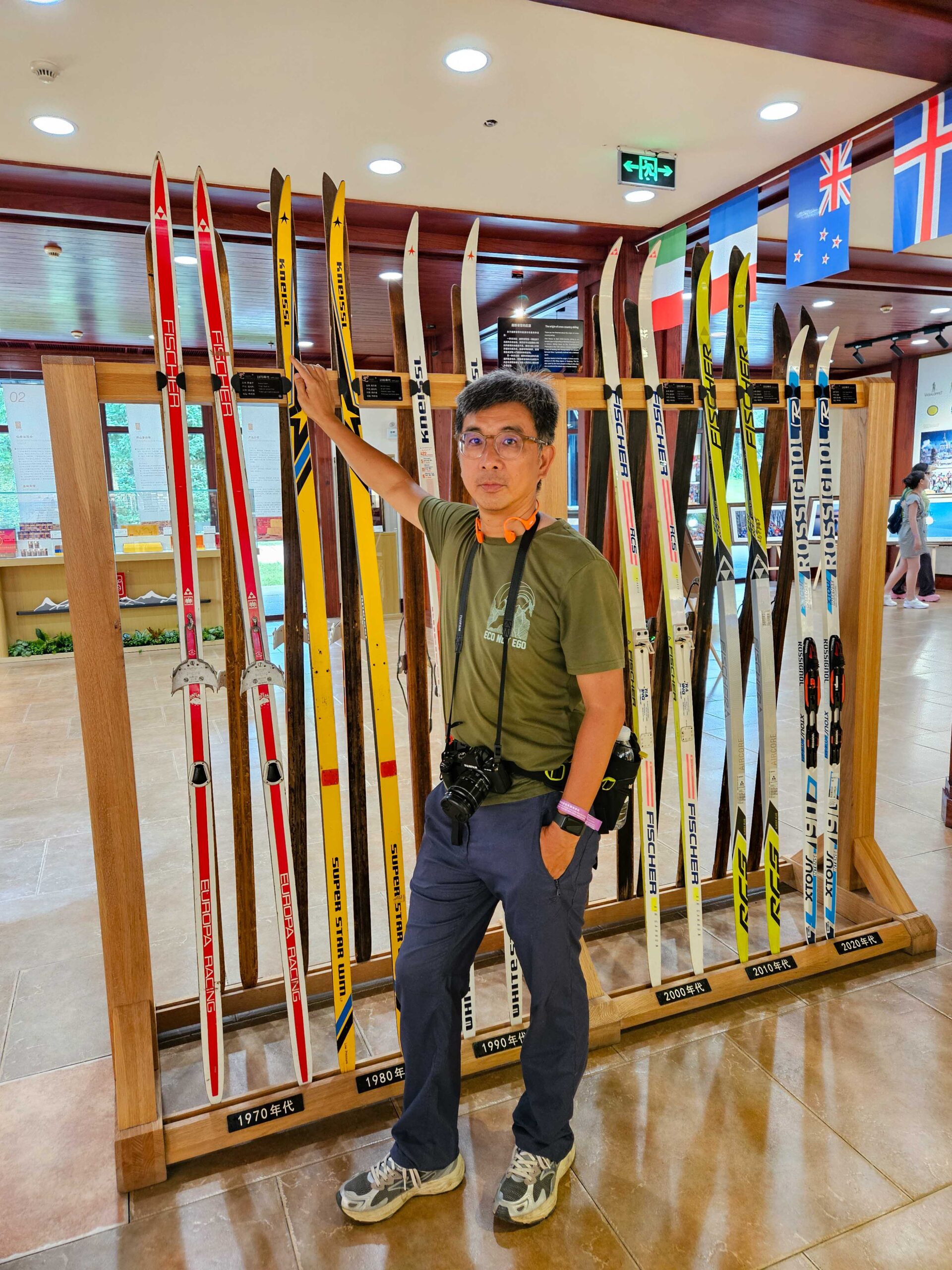
Wherever we went, the locals were curious where we are from due to our Cantonese-accented Putonghua. But only in Dongbei, people would praise our accent after asking where we are from. I was always baffled by their compliments (as our accent sounds so nasal with the intonation all over the places) and would reply, “it can’t be as your accent sounds so much better and more elegant”.
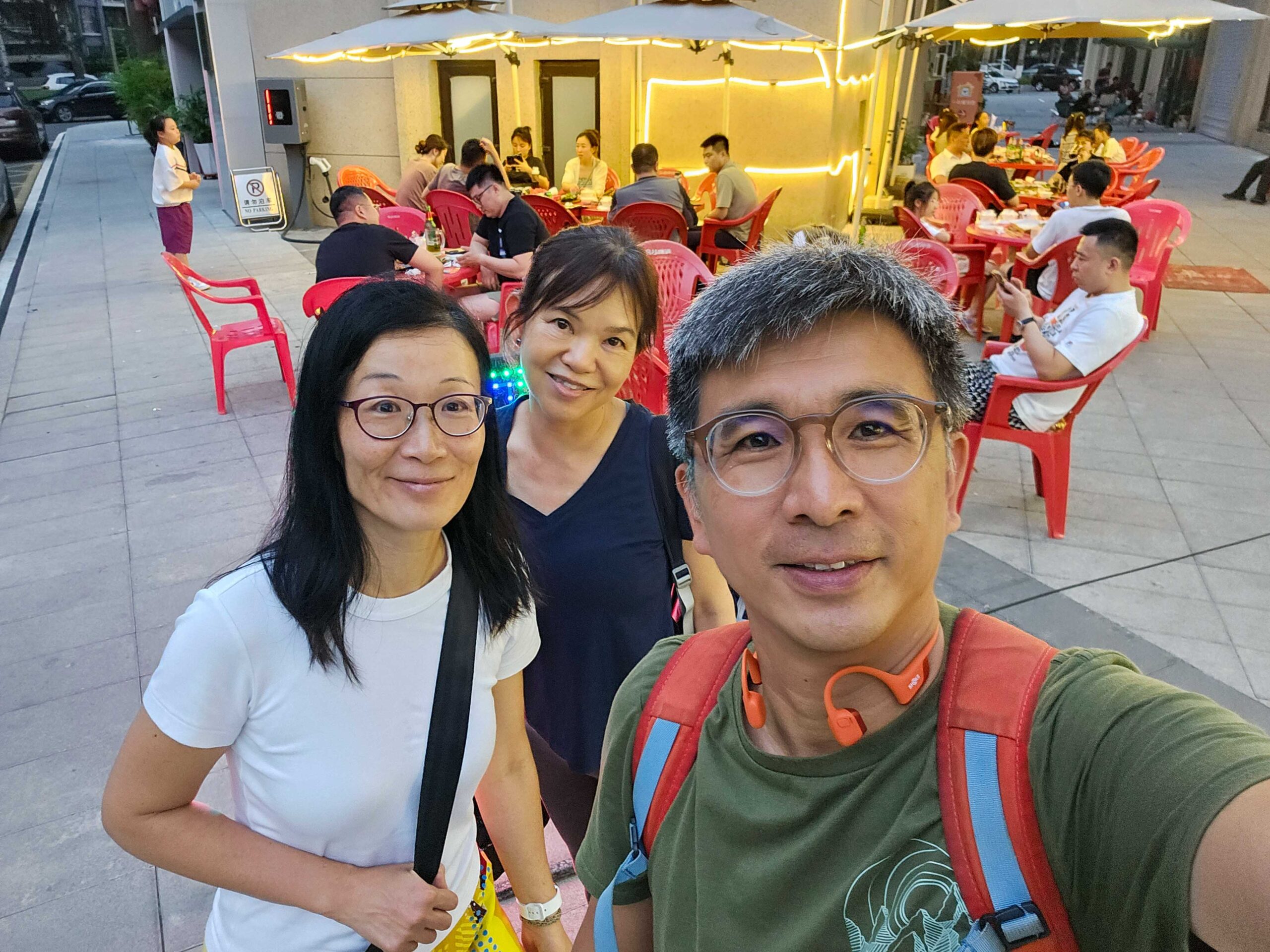
When revisited Changchun almost a year later, this time in mid July, it was as if we rediscovered the city all over again. Last time, the hotel we stayed was in the more newly developed district away from the centre. This time, we stayed near the centre and we could explore on foot and see different parts of the city as well as places we visited first time round.
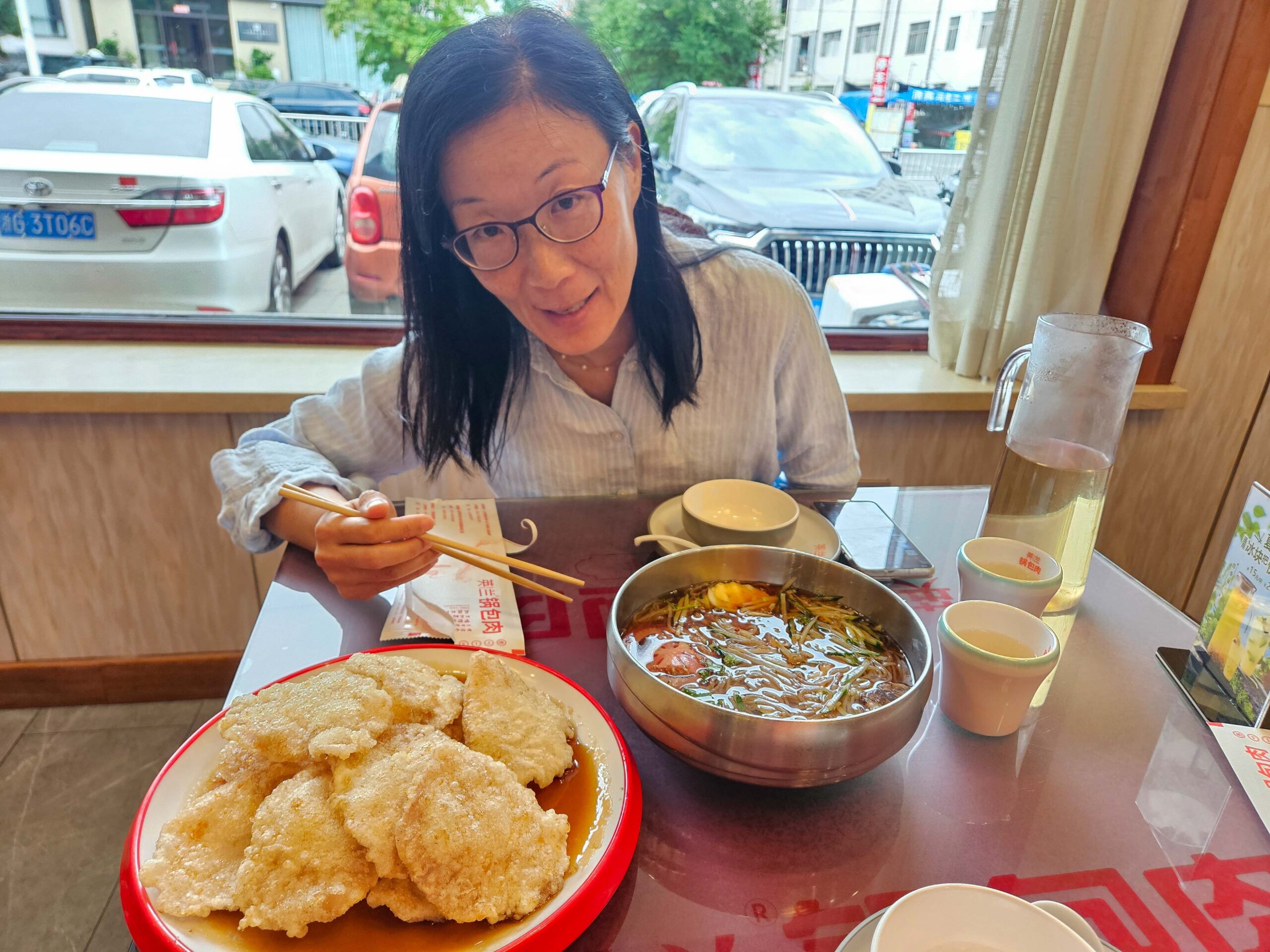
One really cannot get a genuine feel of the city if staying for just a few days. As we were already quite exhausted after all the travelling and hiking before we reached Changchun, we decided to chill and stayed longer. We often walked the same streets and sometimes went to the same restaurant not thinking that we needed to explore more. The public transport system is pretty good and we often cycled or walked one way and took the metro or bus back to the hotel.
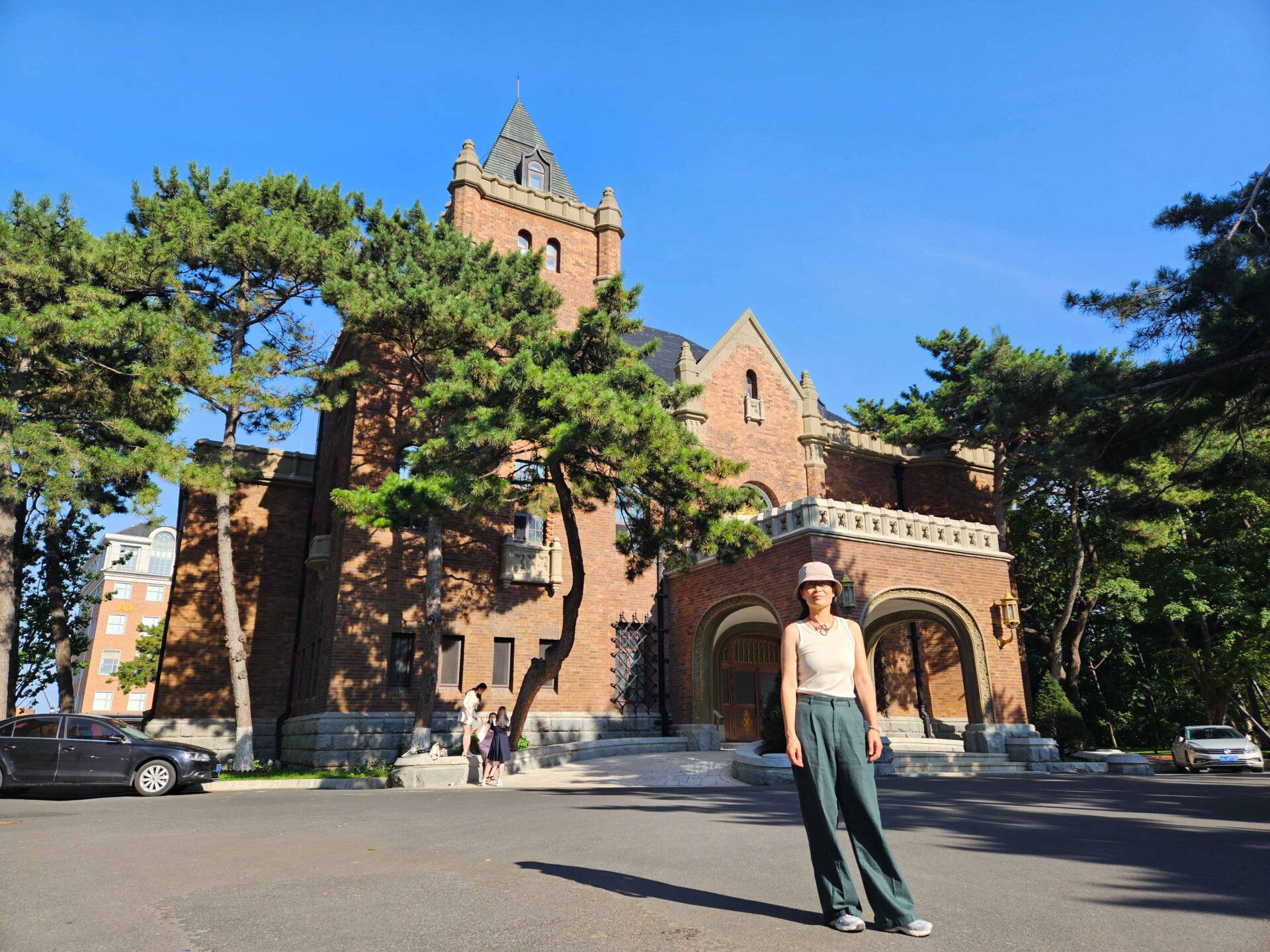
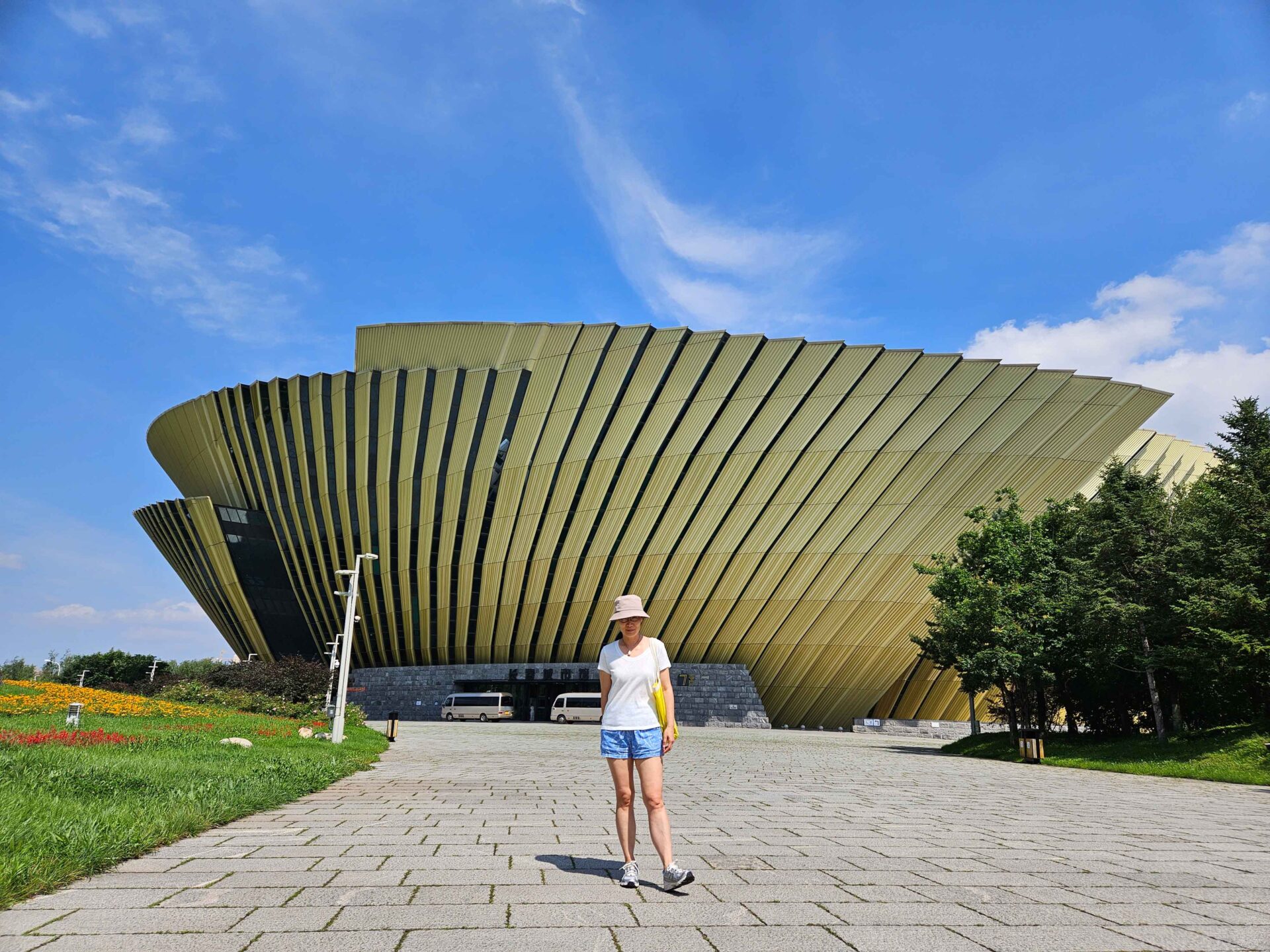
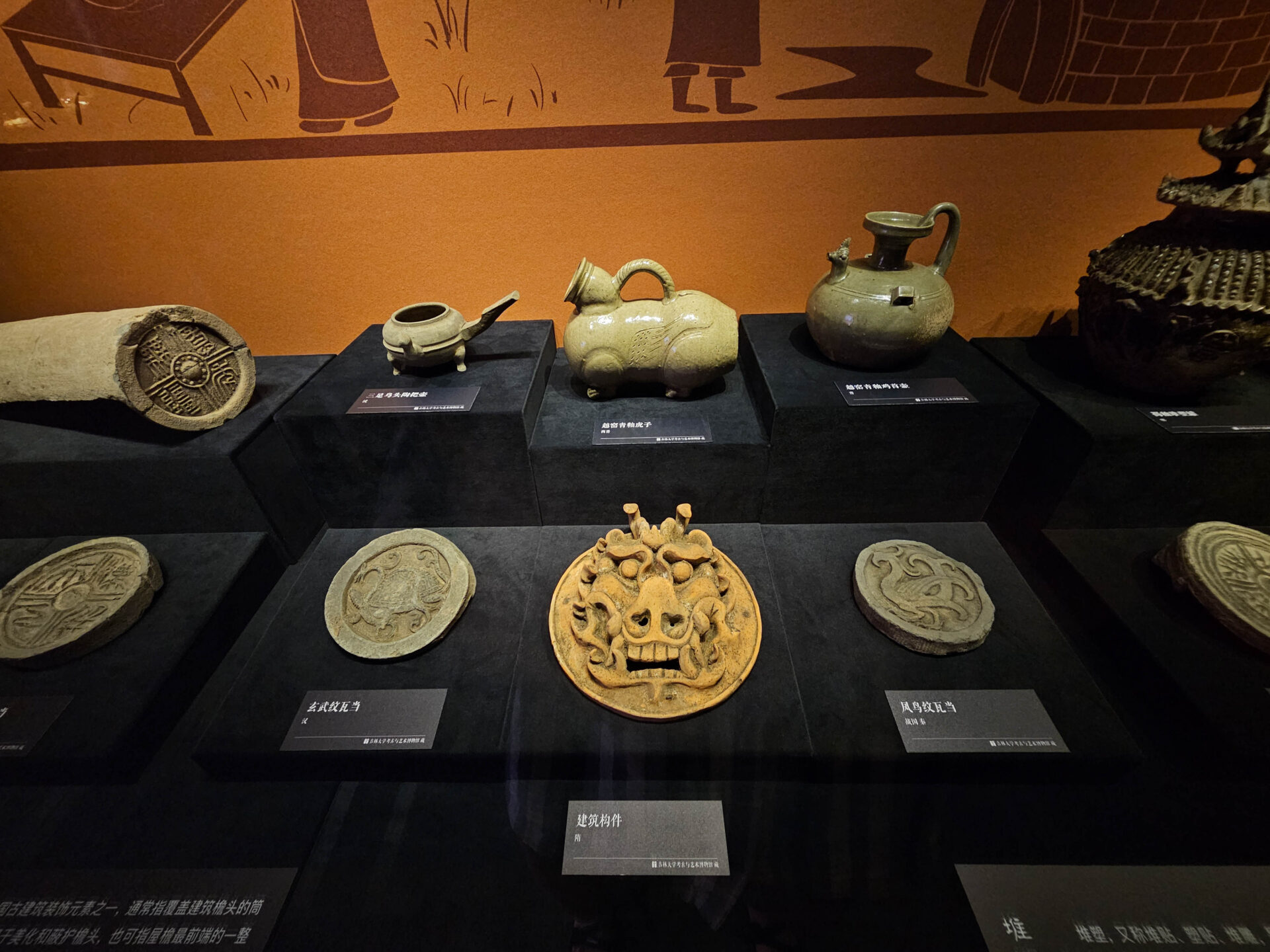
We originally planned to leave just before the end of July and headed west to the meadows in Inner Mongolia. But a major heatwave from Xinjiang swept across China and we decided to stay put in Changchun. We often chilled in the comfortable hotel lobby to avoid the intense sun and only went out in late afternoon. We were lucky to have chosen this amazing hotel which is perfect for our “long siesta” in Changchun.
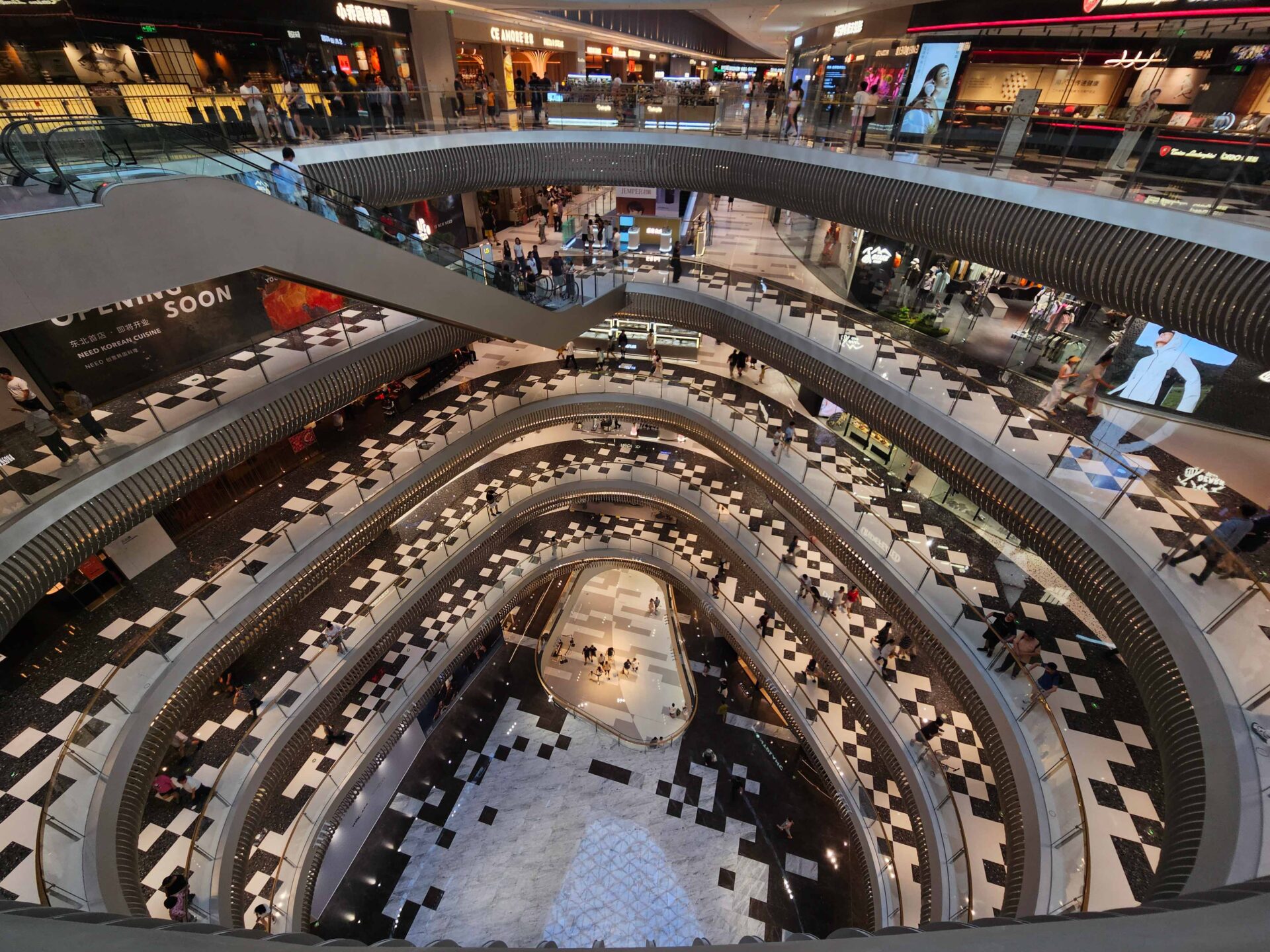
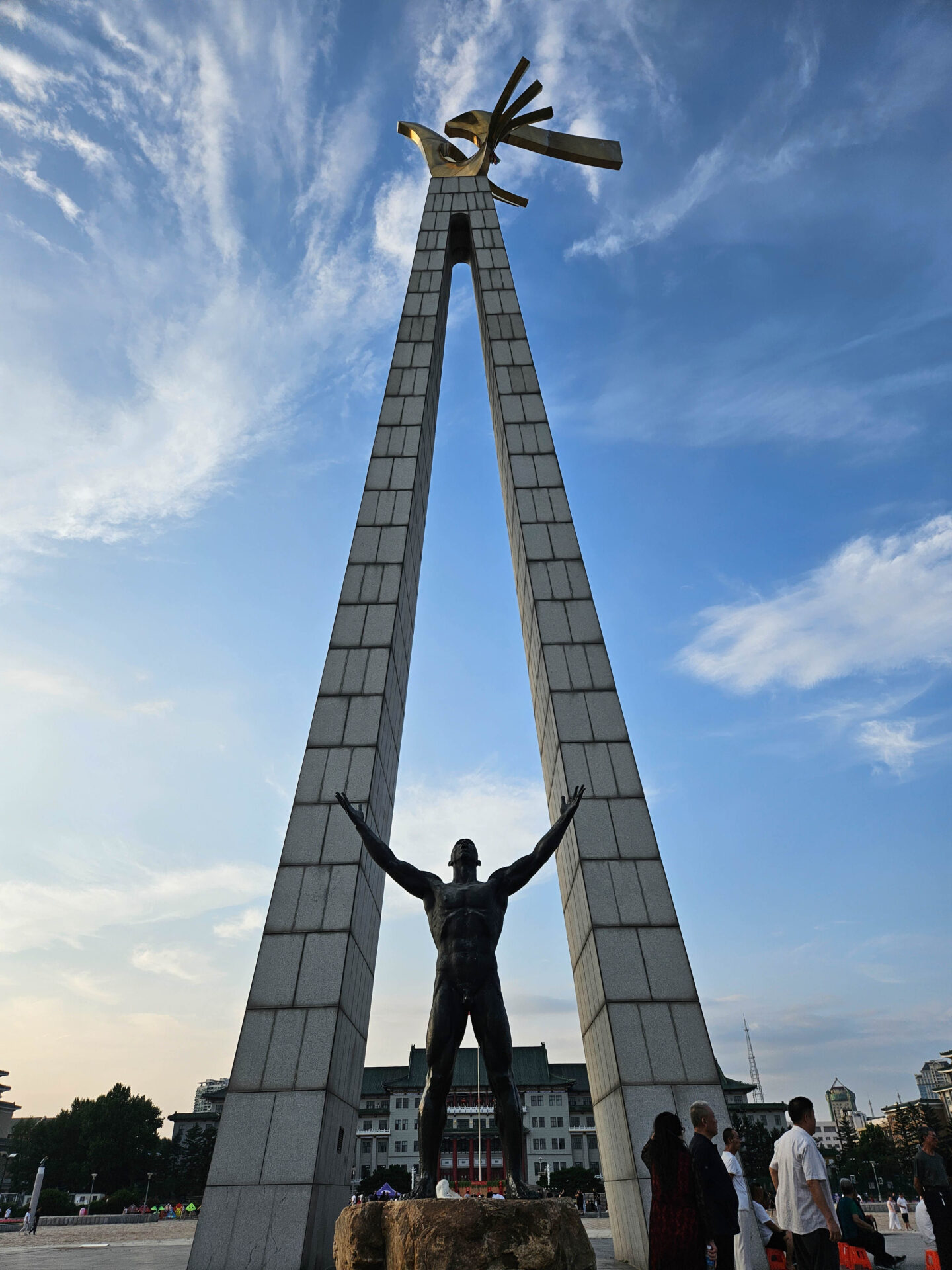
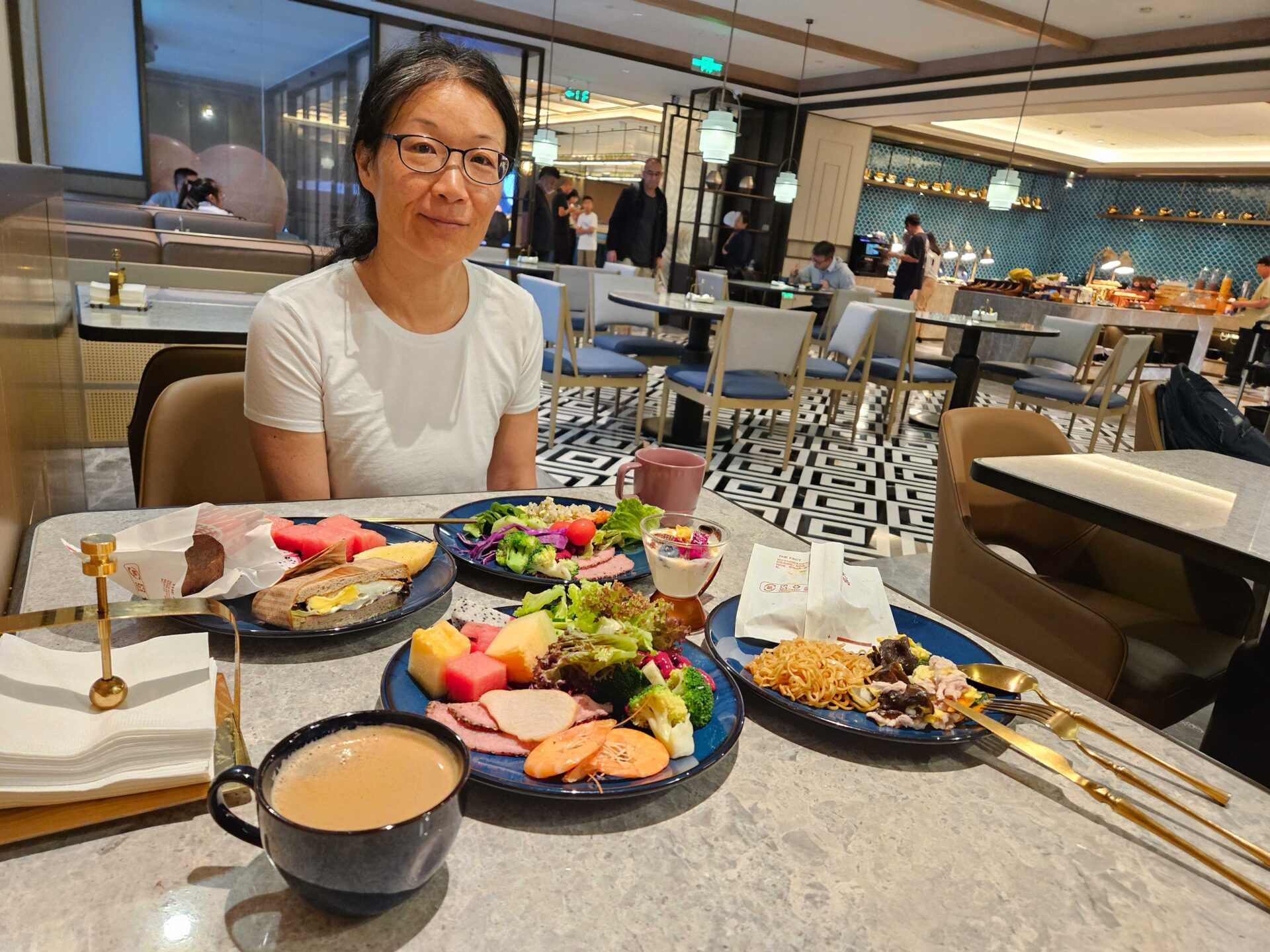
The past few years we witnessed how the hotel quality and service level have improved leaps and bounds while the prices are increasingly competitive. We now mainly stay in the upper mid-level hotel chains. This time, we tried a slightly more expensive hotel brand and were much surprised by the hotel’s sumptious breakfast and of course the warm Dongbei hospitality.
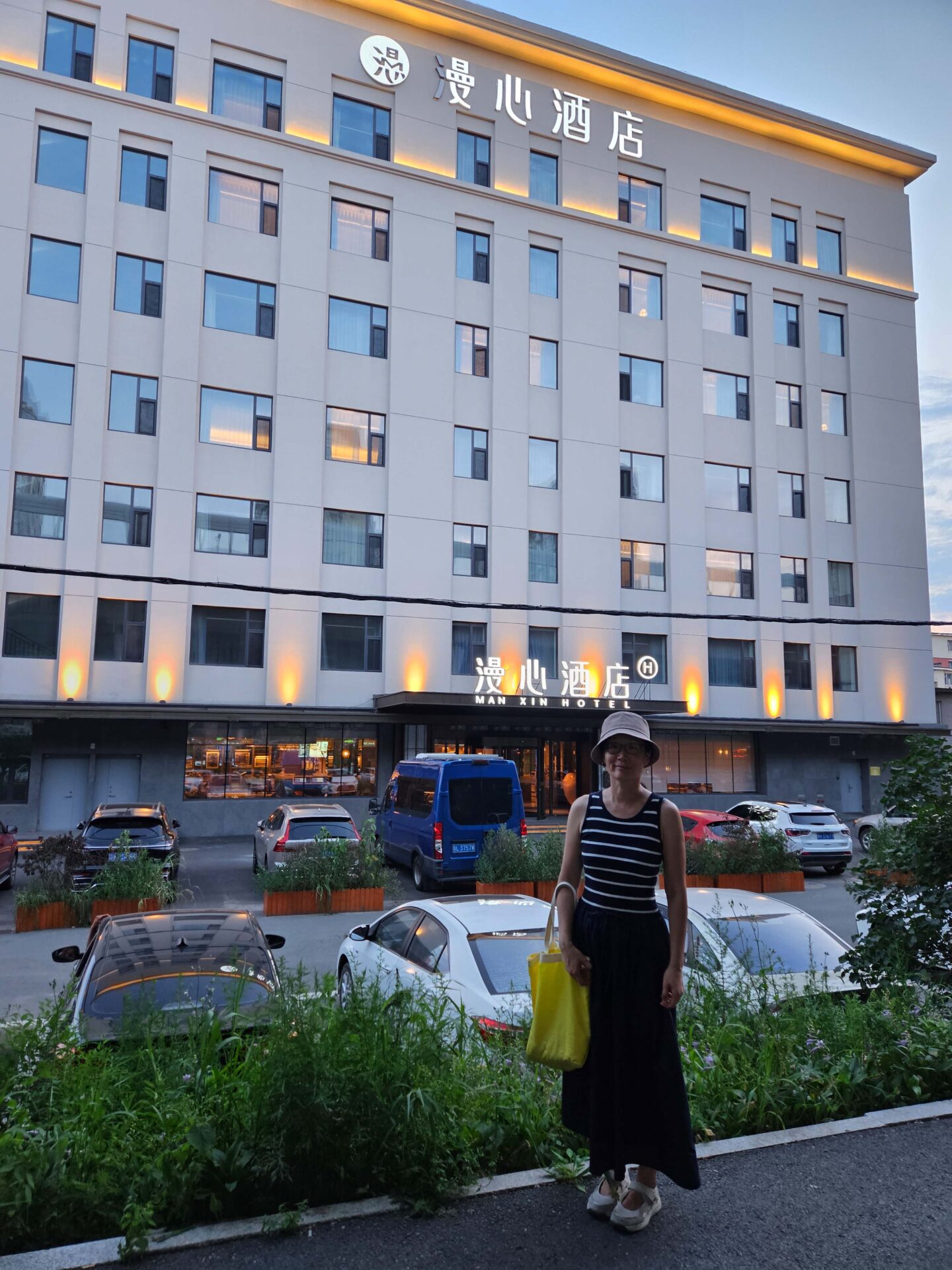
Everyday, we saw Mr. Wang the general manager hard at work. He is down to earth and would personally introduce and serve their signature dish (it’s different daily). The staff are well-trained and often go the extra mile to make our stay comfortable. We were most impressed by their teamwork and high spirit. Most hotel staff knew us after the first week and we got to know some of them better.
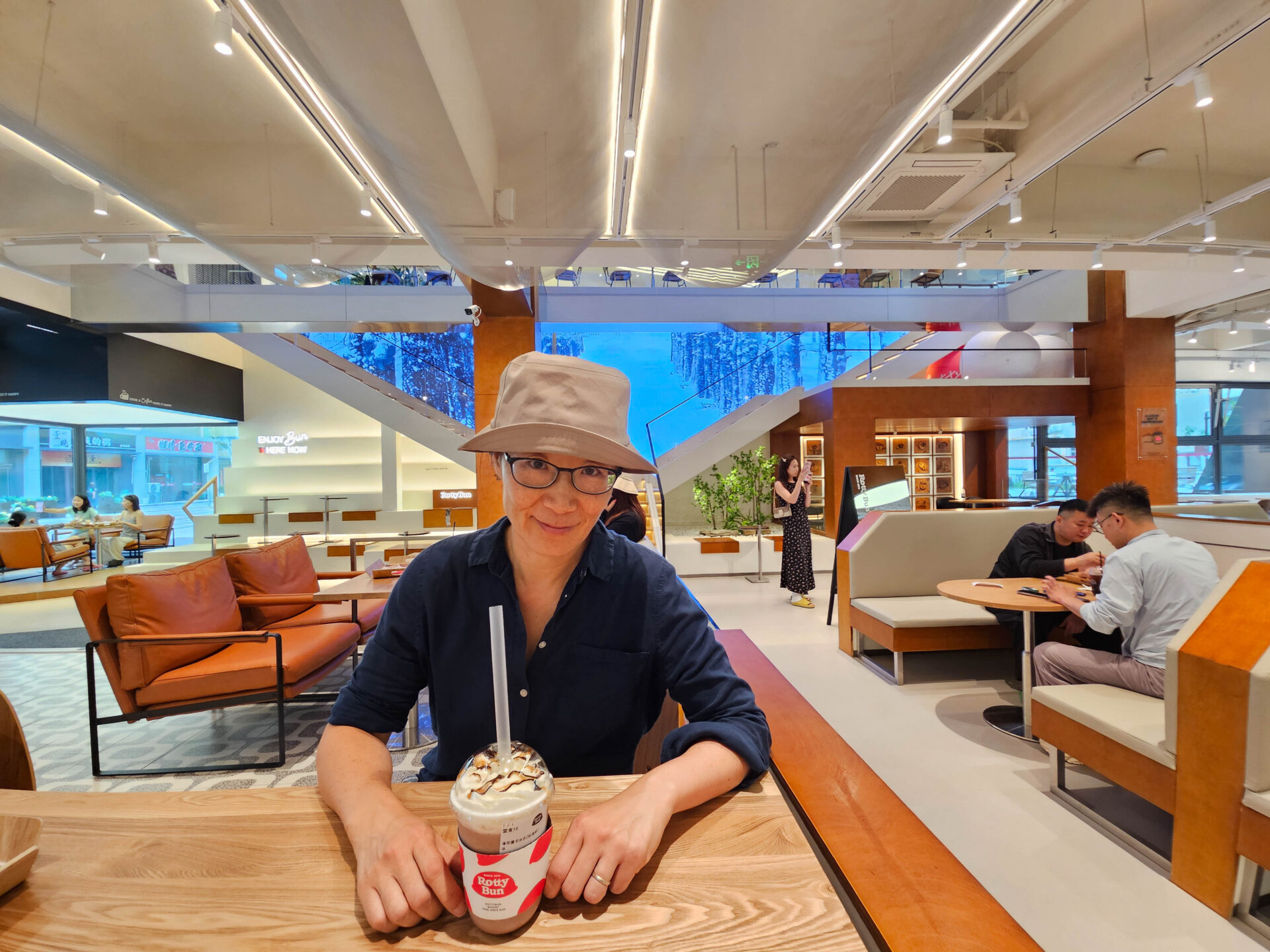
The reception team is young and energetic. One of the young men at the reception is adorable and the restaurant’s female staff in the always greeted him with a hi five. One time, he was about to mend his tie when I asked for my parcel. He asked me to hold his needle so that he could find it for me haha! The mechanic is a slim tall guy with a cool deep voice. I joked one time that he’s super important since he’s the only one in his department. One of the female staff at the restaurant has a great smile and she cleans and set the table meticulously. She’d tell me where Kin was sitting as I usually came down after him. One evening, it was pouring down and they called me to check our van as they noticed that we have left the windows slightly opened (we usually roll down the windows a little to vent hot air).
Even after a fortnight, we still found new dishes at breakfast. Mr. Wang and his staff even asked what I like and said they could prepare it the next day. They went to great length to prepare local dishes that we had not tried before. He even lent me his massager when he heard that my neck was acting up. So once again, we were showered with the wonderful warmth of the Dongbei people.