
2025.7.23 – 8.6
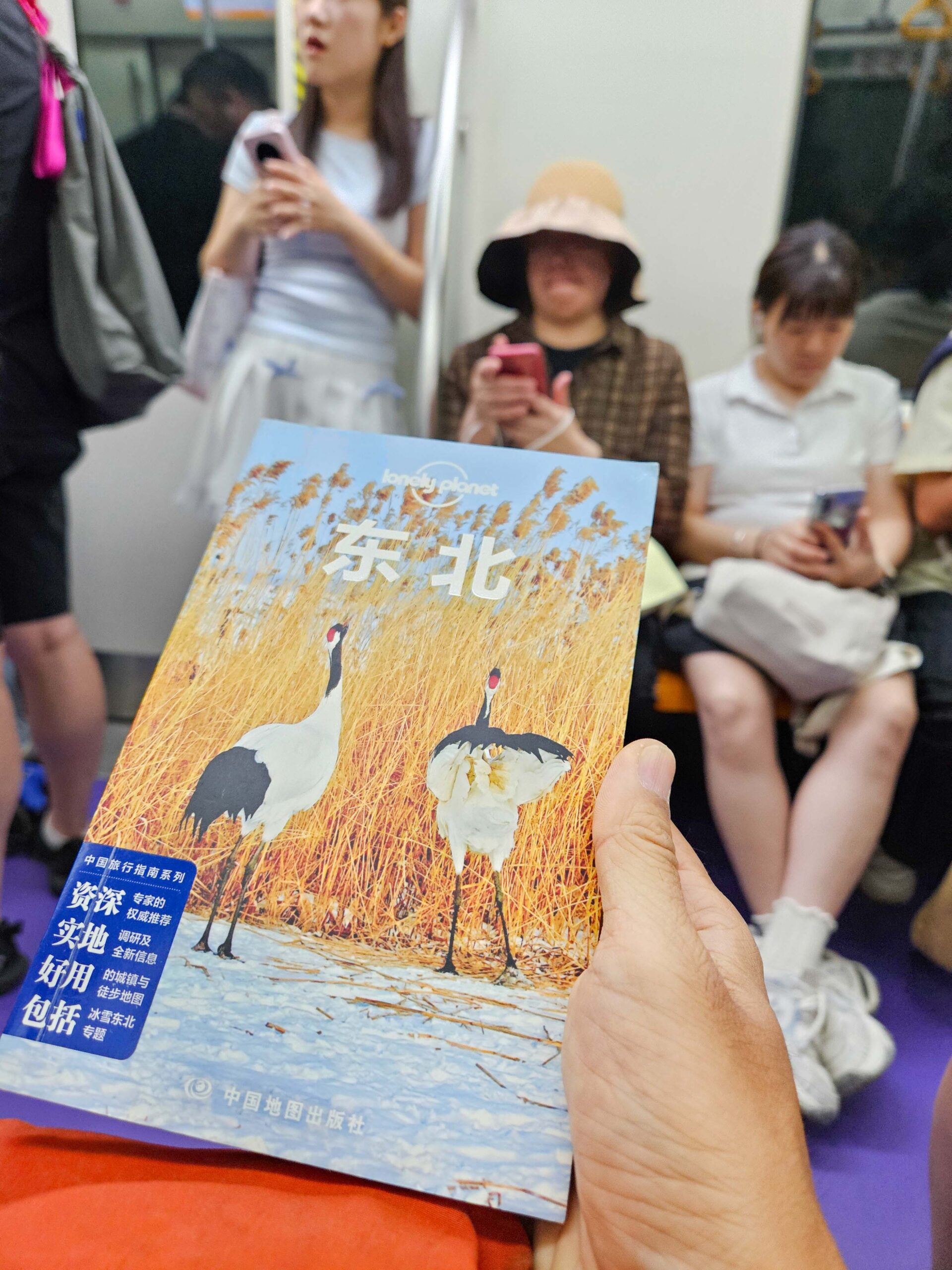
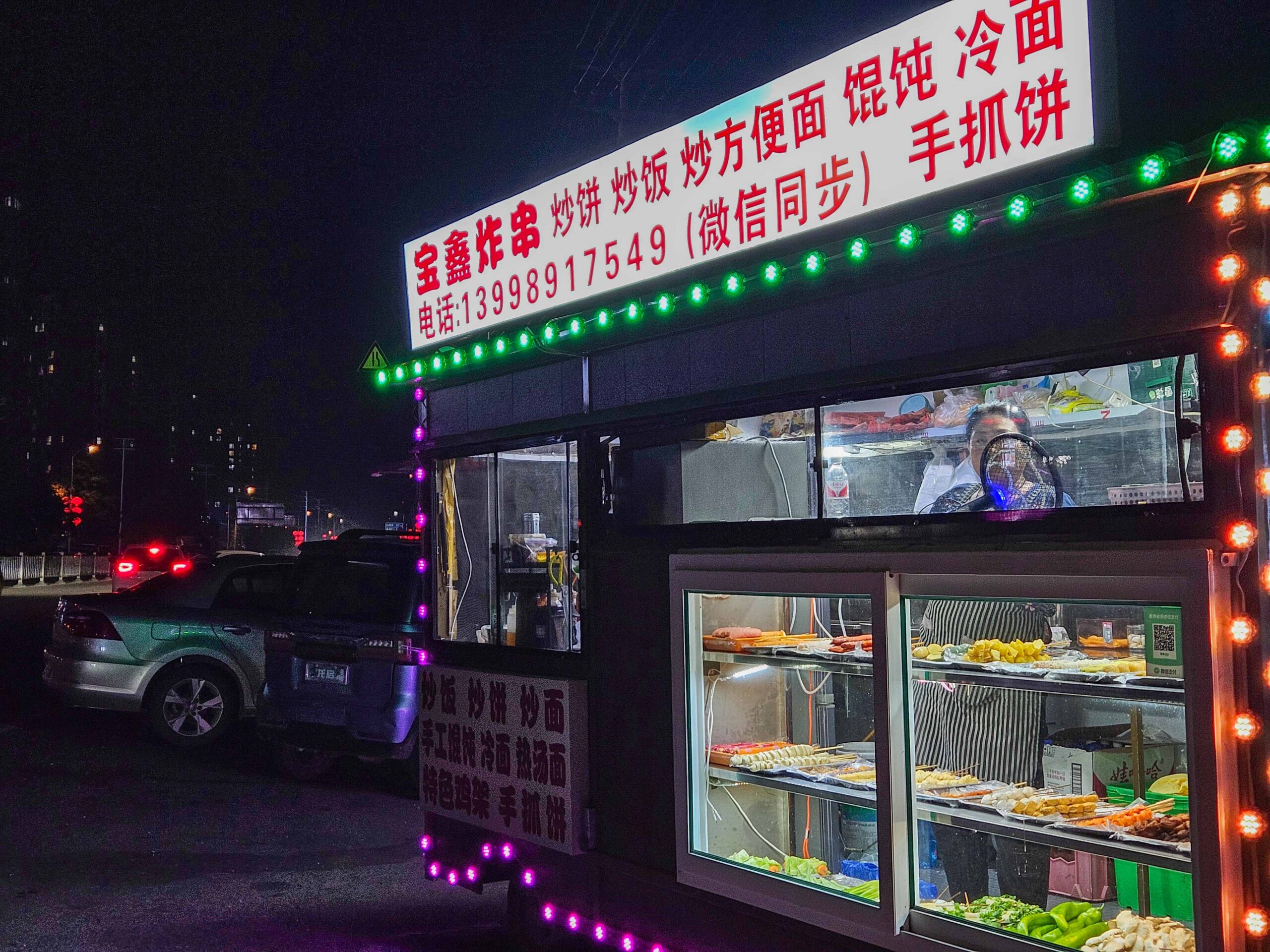
It took us six years on the road to finally visit Northeast China and we immediately fell head-over-heels for it. You might find it hard to believe since I stopped writing our travelogue ever since we set foot in Dongbei (the Chinese saying of the Northeast China). Well, I was partly busy immersing myself in the remarkable mix of historical, cultural and culinary experience from the poignantly colourful past – with its Manchurian roots and foreign influences. But my procrastination actually has more to do with personal emotions because of my upbringing.
My father is Japanese and my mother is Cantonese. I grew up in Hong Kong and spent every summer holiday (sometimes Christmas holiday too) with my grandparents, uncles and aunts in a small town near Fukuoka and Tokyo. I went to boarding school and university in the UK and then returned to work in Hong Kong. And I have been living in various Chinese cities the past 15 years.
My mother tongue is Chinese and even though my Japanese sucks, I feel my Japanese roots deep down. I remember how I used to feel disconnected whenever I was back in Hong Kong for school holidays. Random people on the street would talk to me in English assuming I am Korean or Japanese. I could not quite figure out if I am Chinese, Japanese or westernized Chinese or Japanese. But, after working in Hong Kong for some time, I had more or less accepted that I am all of the above.
What I’m trying to say is that my own identity is quite insecure. I learnt history at school and read books about the Sino‑Japanese Wars. When I arrived in Dongbei and came face‑to‑face with its turbulent past during the Japanese occupation, I was overwhelmed with sadness. When I looked at the Meiji Restoration buildings in cities like Shenyang (瀋陽), Changchun (長春) and Dalian (大連) and reading the historical accounts in various museums, I could not quite find the right words to express my feelings. So, I kept telling myself that I needed more time to process it all.
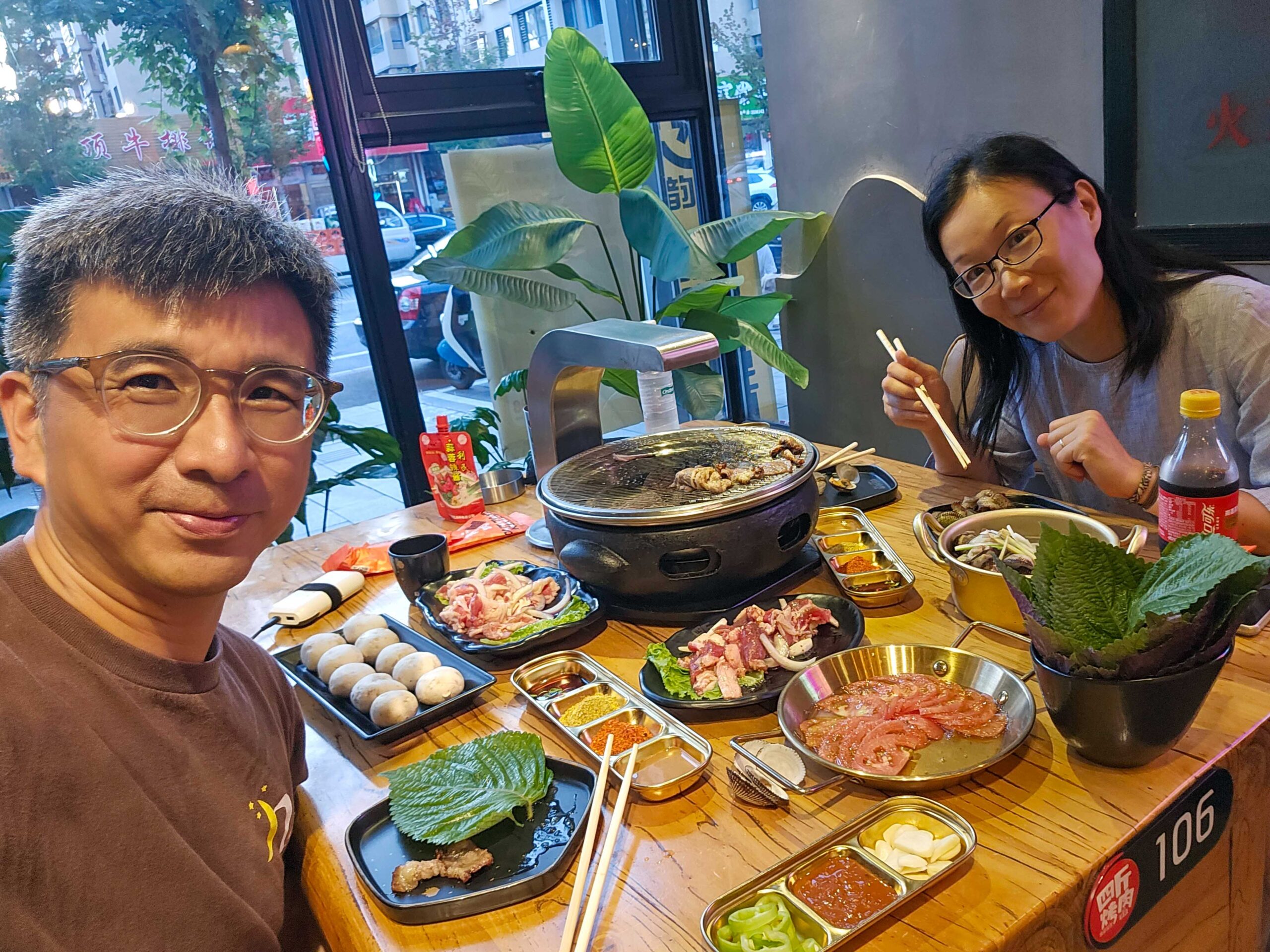
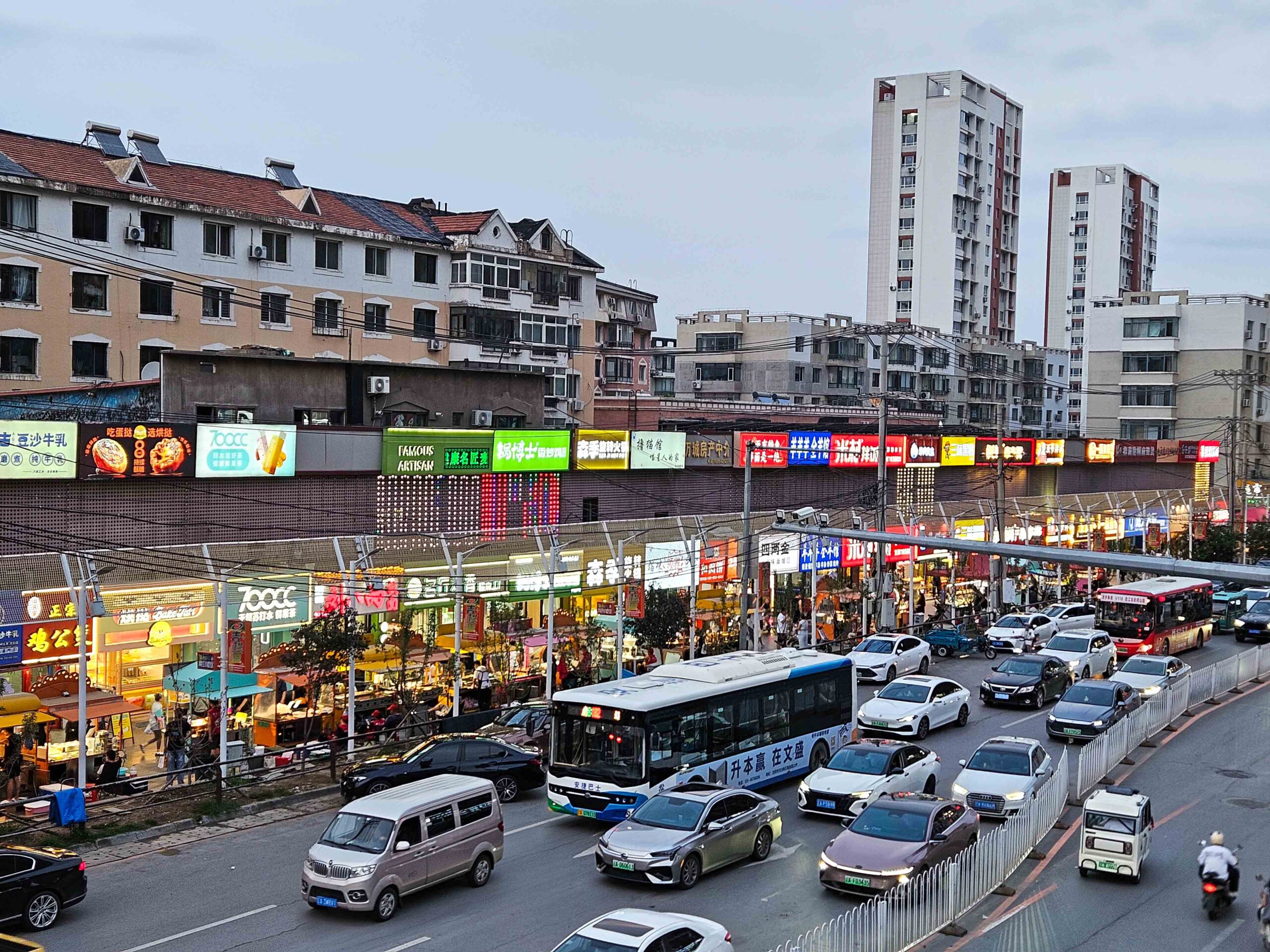
It took us almost two months to travel around the three provinces of Dongbei – Liaoning (遼寧) in the southwest, Jilin (吉林) in the middle and Heilongjiang (黑龍江) in the north. Then another month passed before we reached the most southern tip of Liaoning via the north eastern strip along the border with Russia and Joseon (朝鮮 or North Korea by the western world). We then stayed in the coastal city of Dalian for over seven months. So, after almost a year in Dongbei, I am ready to talk about our time here and why we stay for so long.
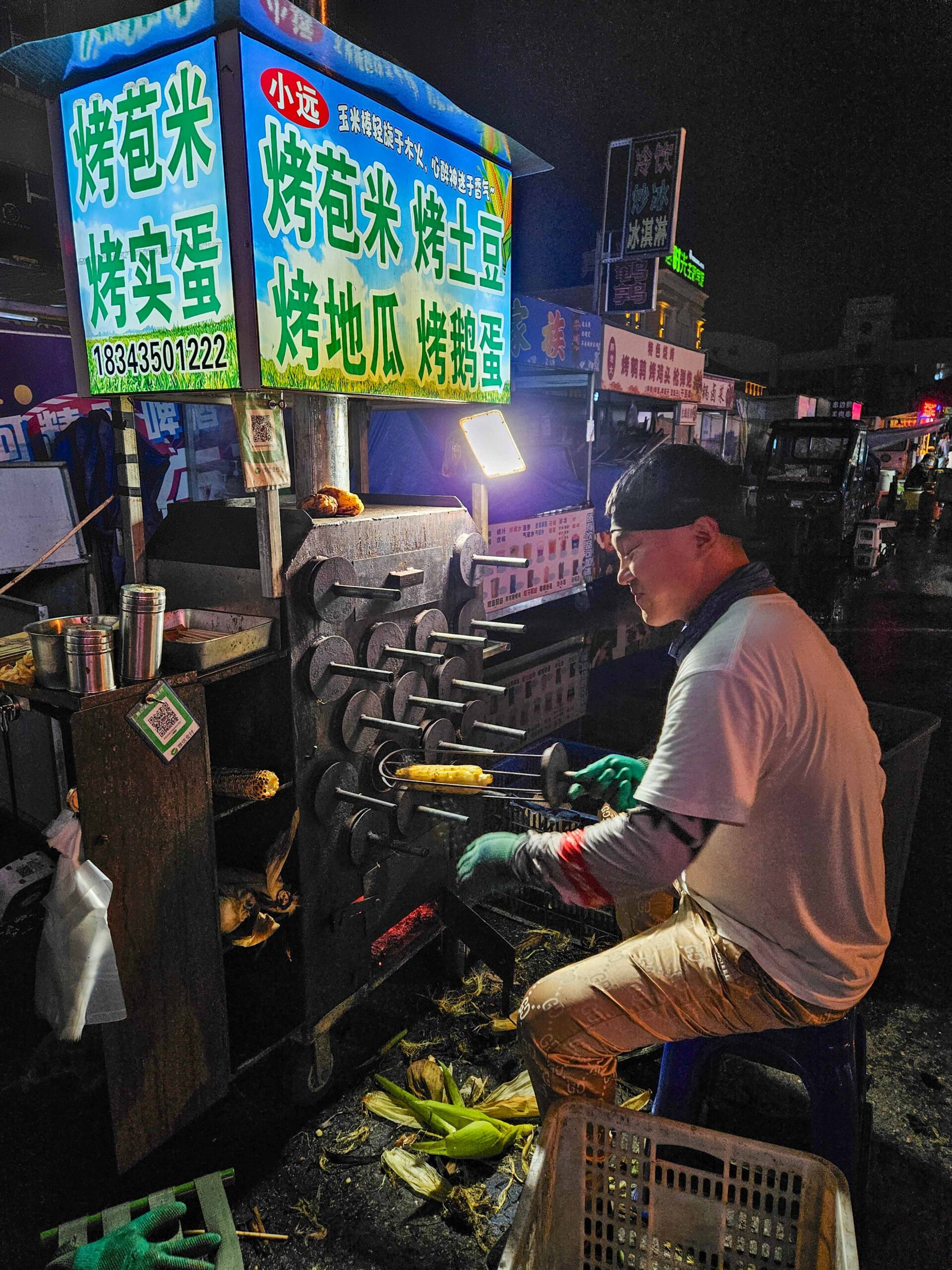
We first arrived in Shenyang, the capital city of Liaoning province, the southwest part of Dongbei at the height of summer in late July of 2025. Dongbei’s history is very rich as it had been through a lot in the past four hundred years. Situated north of the Great Wall, it was the homeland of the Manchus (滿族).
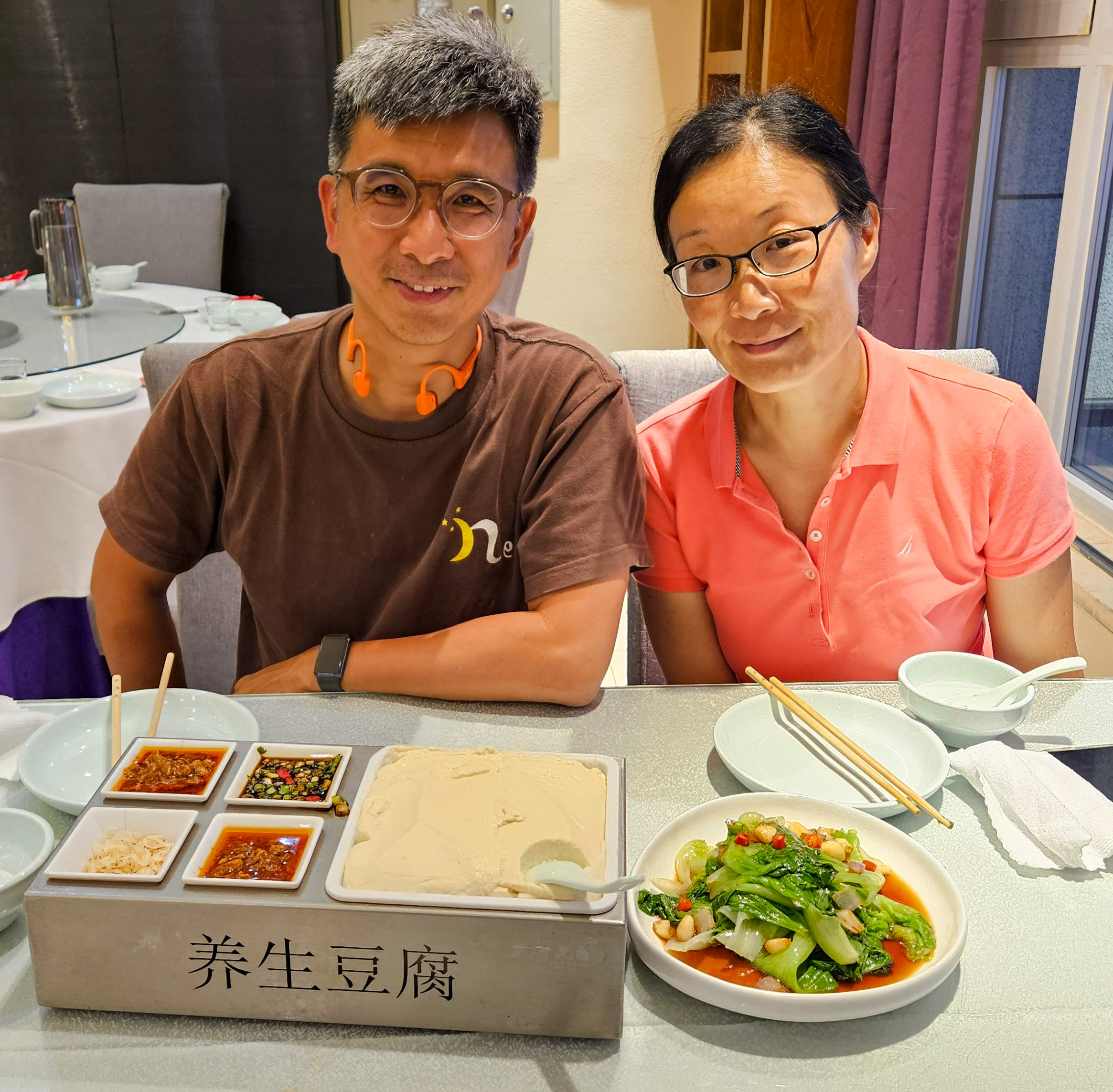
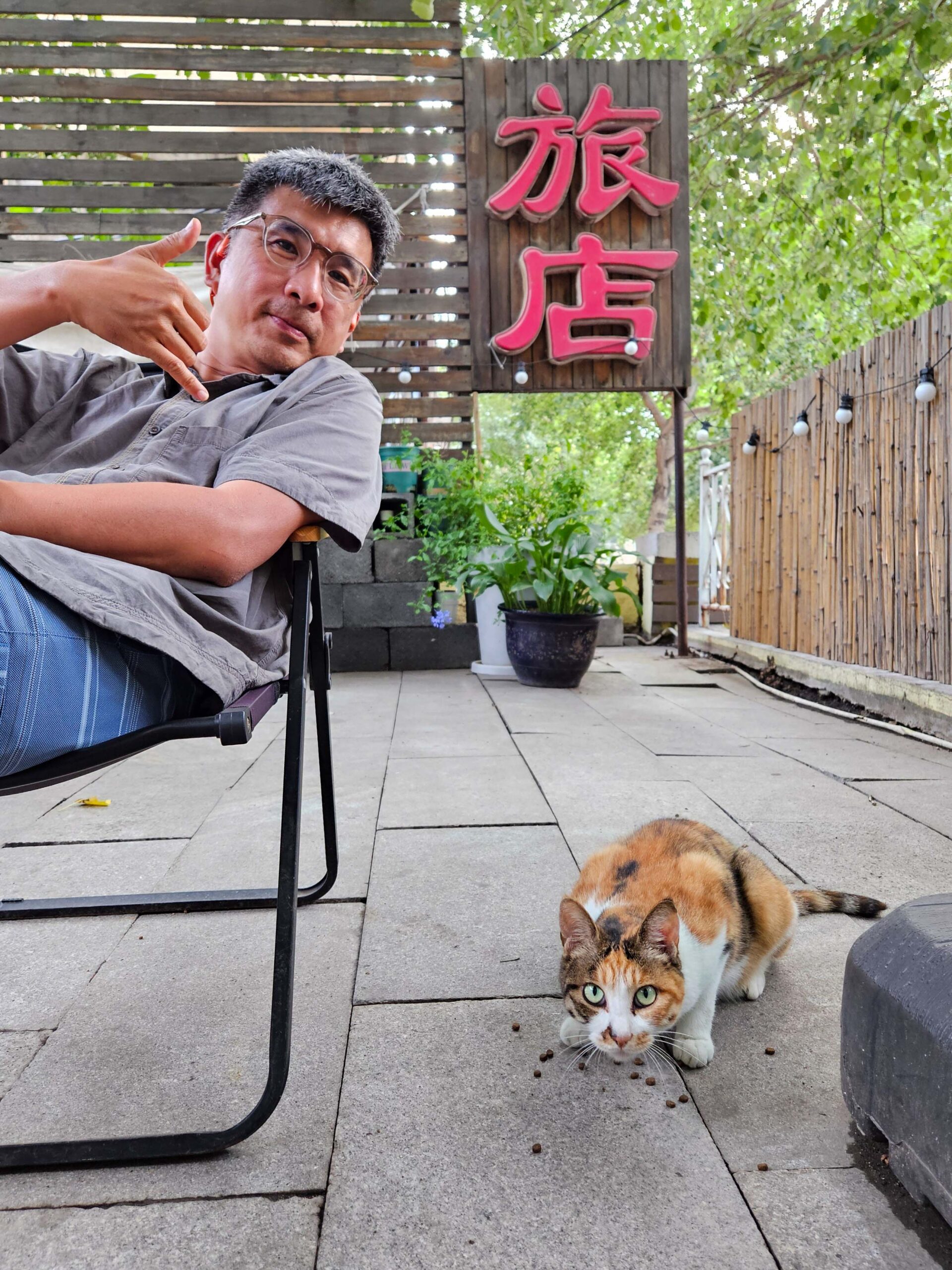
With Dongbei’s proximity to Russia, North Korea and Japan, it was susceptible to foreign influences and aggression when the Qing dynasty weakened since the mid nineteenth century. Therefore, its culture and the culinary scene are the culmination of multiple influences. We learned about the history of various ethnic groups in the north of Heilongjiang, the intricate relationship between China and Joseon people and the conflicts with Russia and Japan.
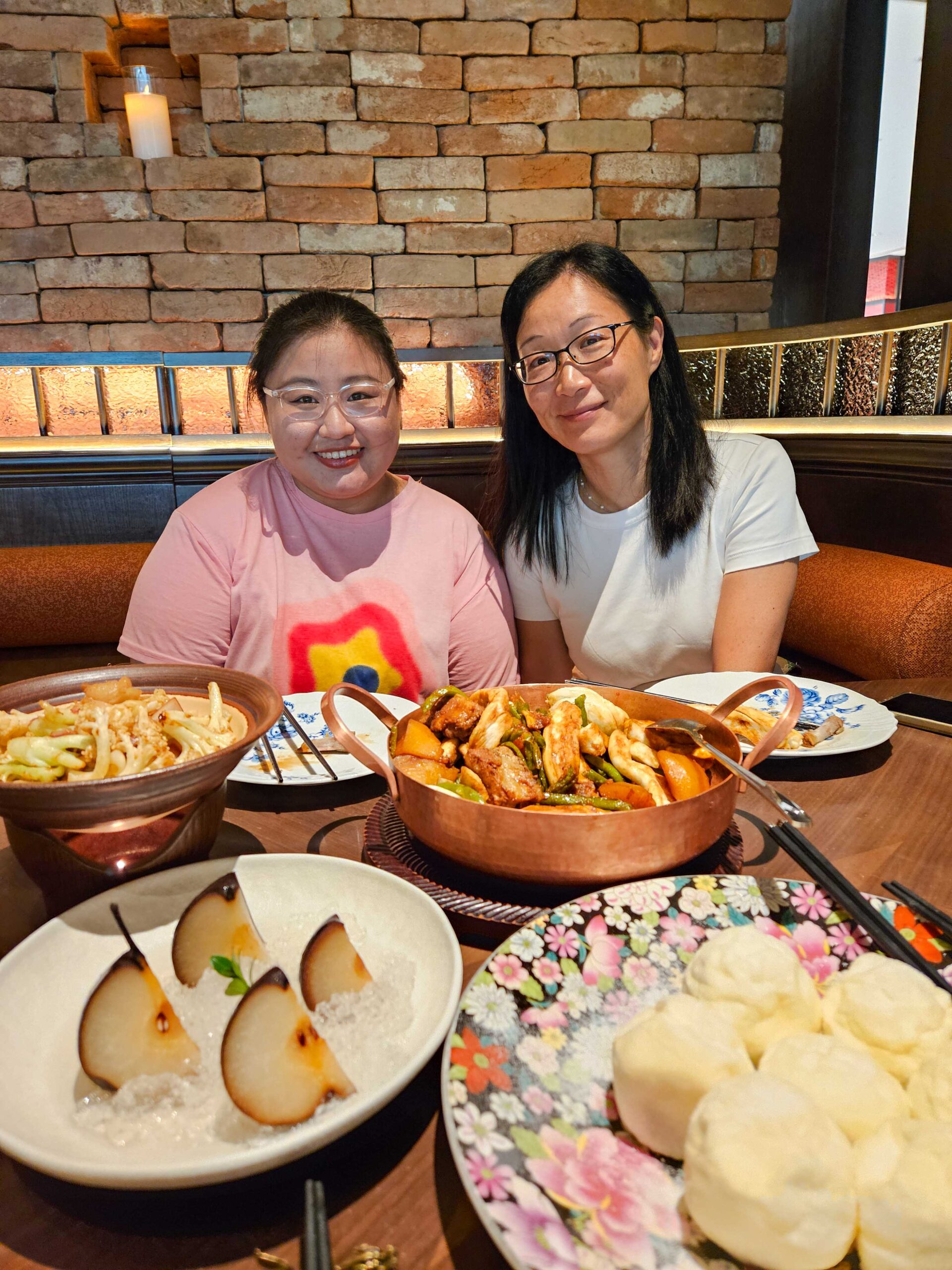
Dongbei people are known to be warm and hospitable. Kin acquainted with a young lady, Xiaolin from Shenyang on Xiaohongshu. She is super friendly and even though she now lives away from Shenyang in a town called Benxi (本溪), she got up bright and early to take a train to Shenyang and treated us to a traditional Dongbei lunch.
Xiaolin’s ancestors were originally from Shandong during the period of the “Chuang Guandong” migration (闖關東). Through her, we learned Dongbei’s history first hand. With the looming threat of Russian aggression, the Qing officials opened parts of the sparsely populated Guandong in the mid nineteenth century. Many Han Chinese (漢族) from Shandong (山東) and Hebei (河北) entered by land via the Shanhai pass (山海關) of the Great Wall or by ferry. The massive migration ‑ so-called Chuang Guandong literally means “crashing through the eastern gate” because Shanhai pass is the eastern gate of the Great Wall. As we spent more time here, we encountered many locals with ancestral roots from Shandong province. Han Chinese now makes up the majority of Dongbei’s population with 53 ethnic minorities including Manchus (滿族), Joseon (朝鮮族), Mongols (蒙古族), Hui (回族) to name a few and nomadic tribes such as Oronqen (鄂倫春族) and Evenki (鄂溫克族).
Shenyang played a key part in the Qing dynasty as it was the first capital when the Manchus first came into power before they seized control of Beijing in 1644 and ruled China for nearly three hundred years. By mid nineteenth century, the Qing government was much weakened by numerous internal unrests and consequently foreign aggression and intervention all over China. Against this geo‑political background, Shenyang was in the flux of foreign influences. Its first railway station was built and controlled by Russia in 1899 as part of the Chinese Eastern Railway from Harbin Heilongjiang to Dalian at the southern tip of Liaoning. Railway was strategically important in turning Shenyang into the city we see today as it was essential in distributing resources, manpower and produce. It was also critical in mobilizing military forces.
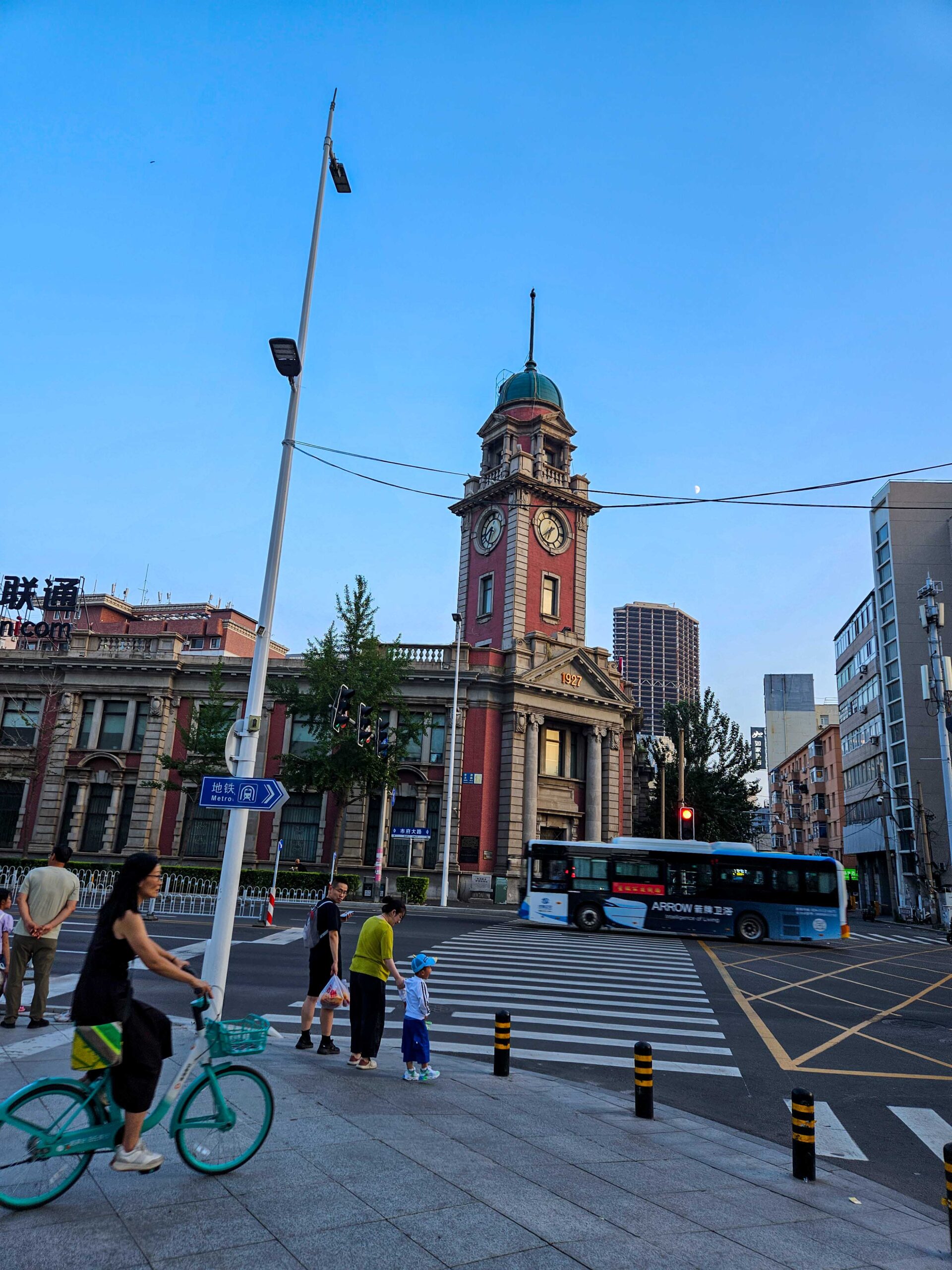
In 1900, Shenyang was invaded by Russia on the pretext of Boxer Uprising as the anti‑foreign insurgency and became a strong Russian stronghold. Shenyang was also the battleground of the Russo‑Japanese War in 1905 which Russia lost and the city was transferred to Japan. It was also where the Mukden Incident (September 18 Incident) occurred in 1931 which sparked the Chinese resistance against Japanese invasion (the Second Sino‑Japanese War).
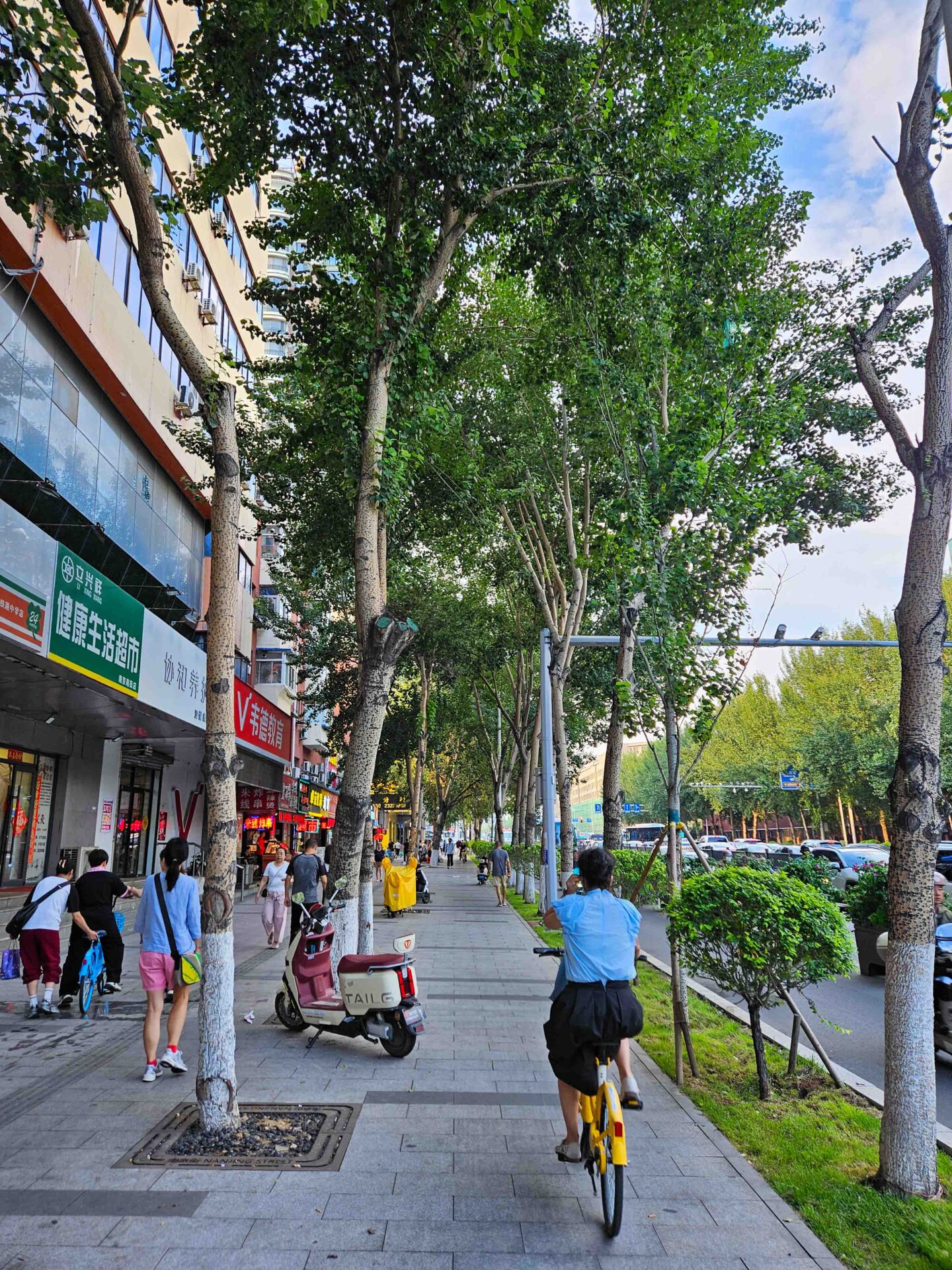
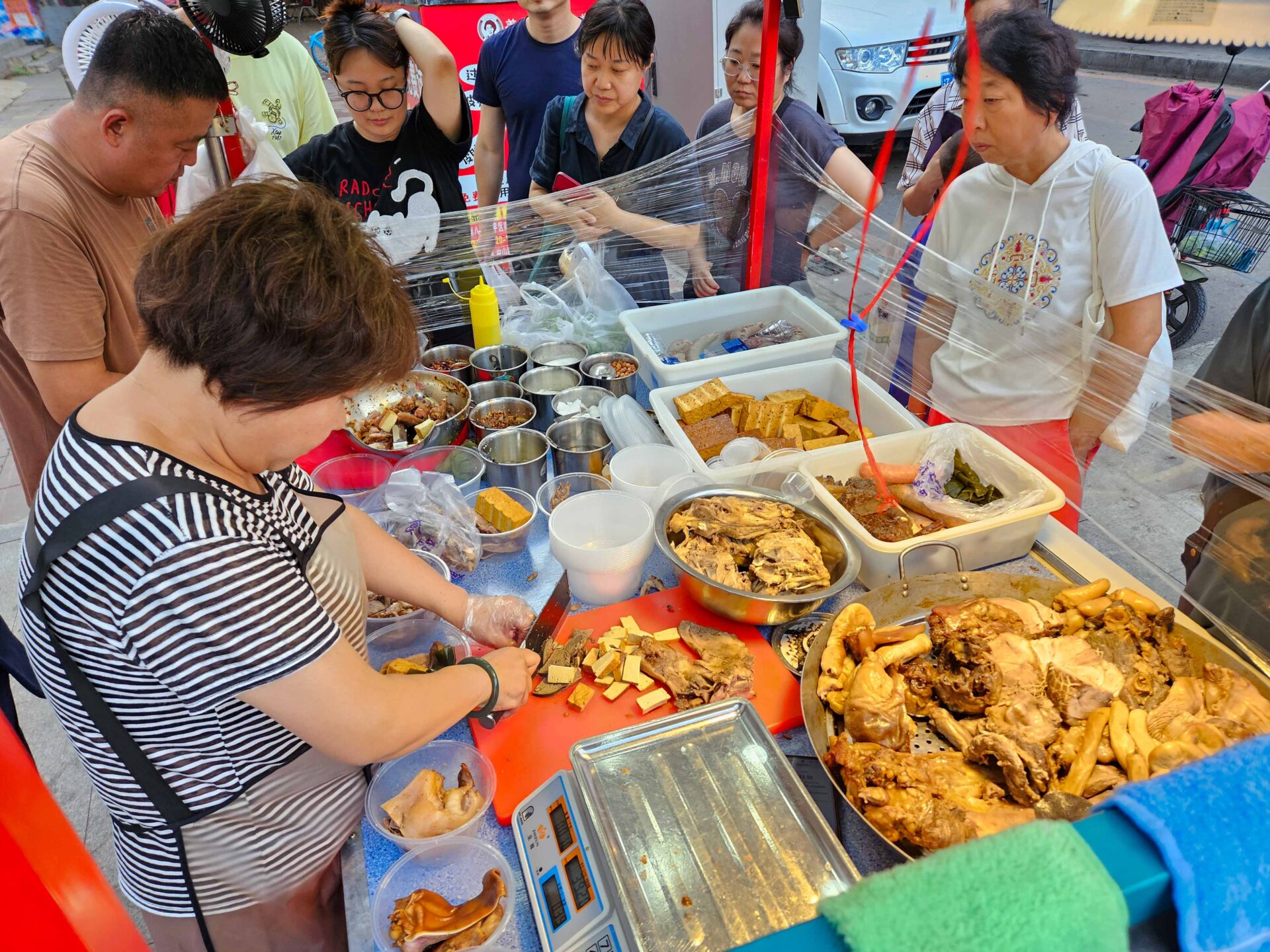
As I have already travelled and spent months in various places throughout Dongbei by the time I am writing this, what touches me most is the people ‑ how kind‑hearted and welcoming despite all the hardships they have endured. I am always surprised by their resilience and ability to embrace different cultures. All the museums we visited, there is not a single word of bitterness about the painful past except a continuing theme that the people must learn from this and become strong.
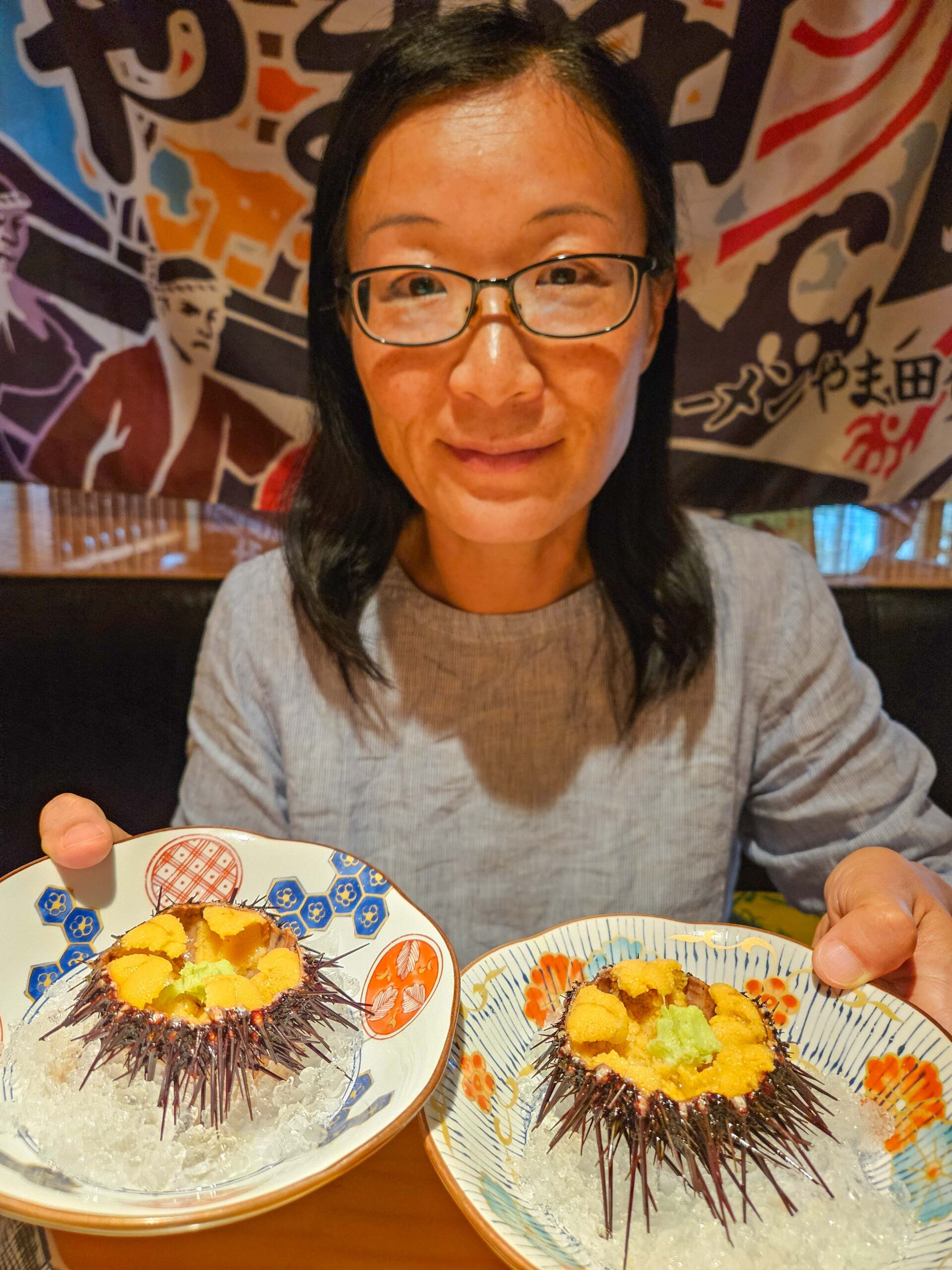
Before the visit, we did not know that there is such a prominent Joseon presence in Dongbei. There are even autonomous Joseon districts in Jilin province. Naturally, there is a sizeable Korean community in Shenyang.
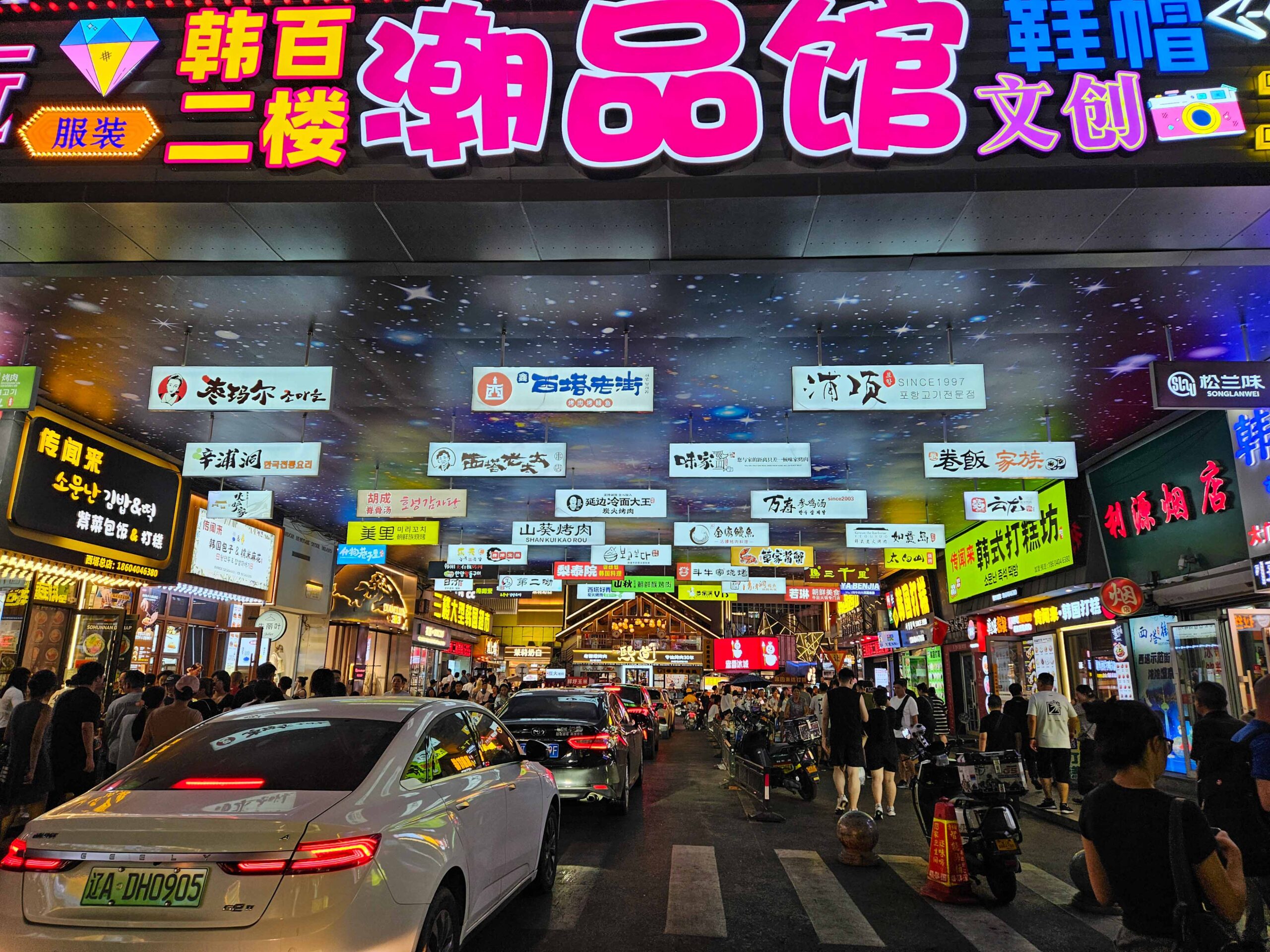
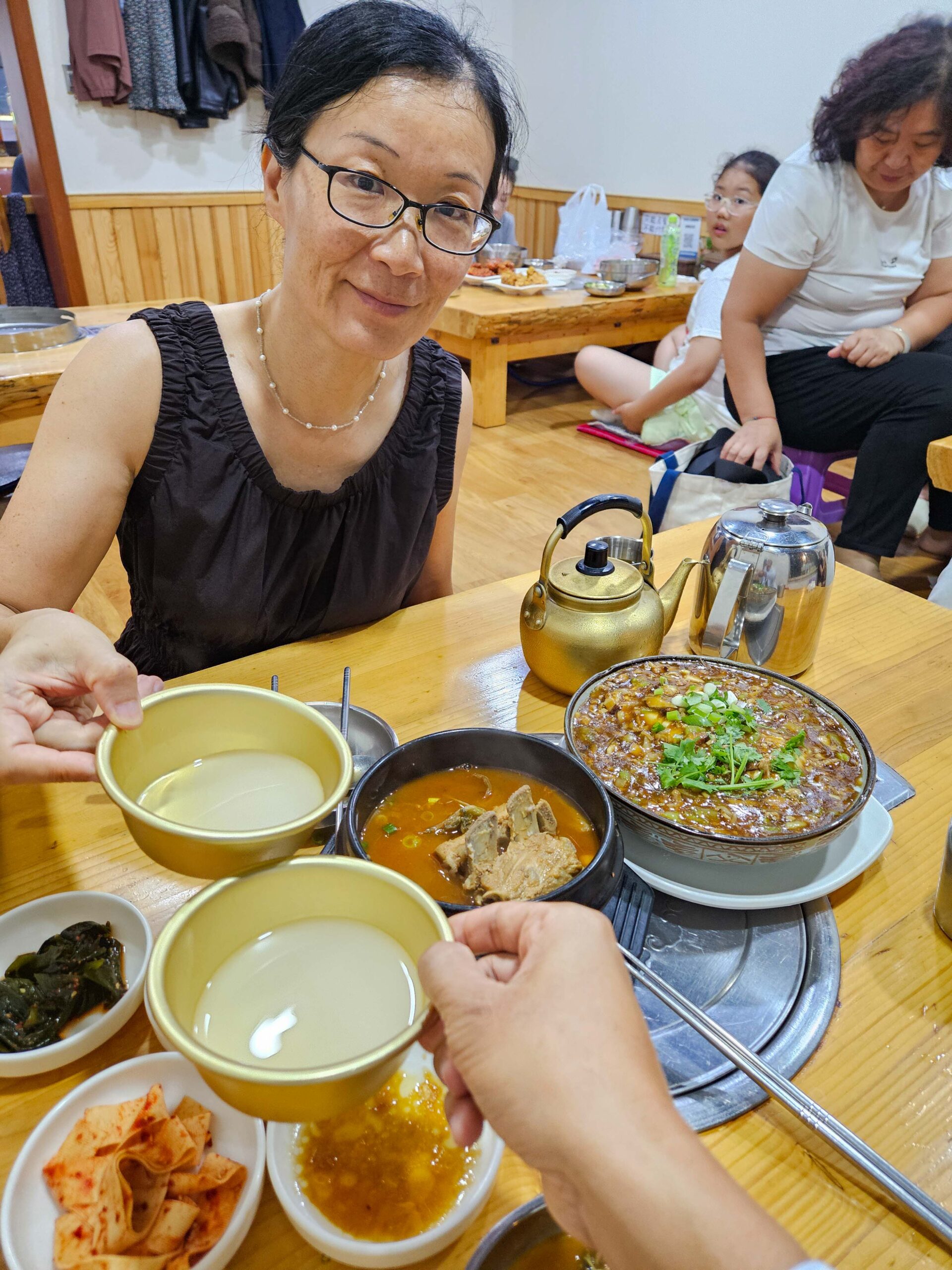
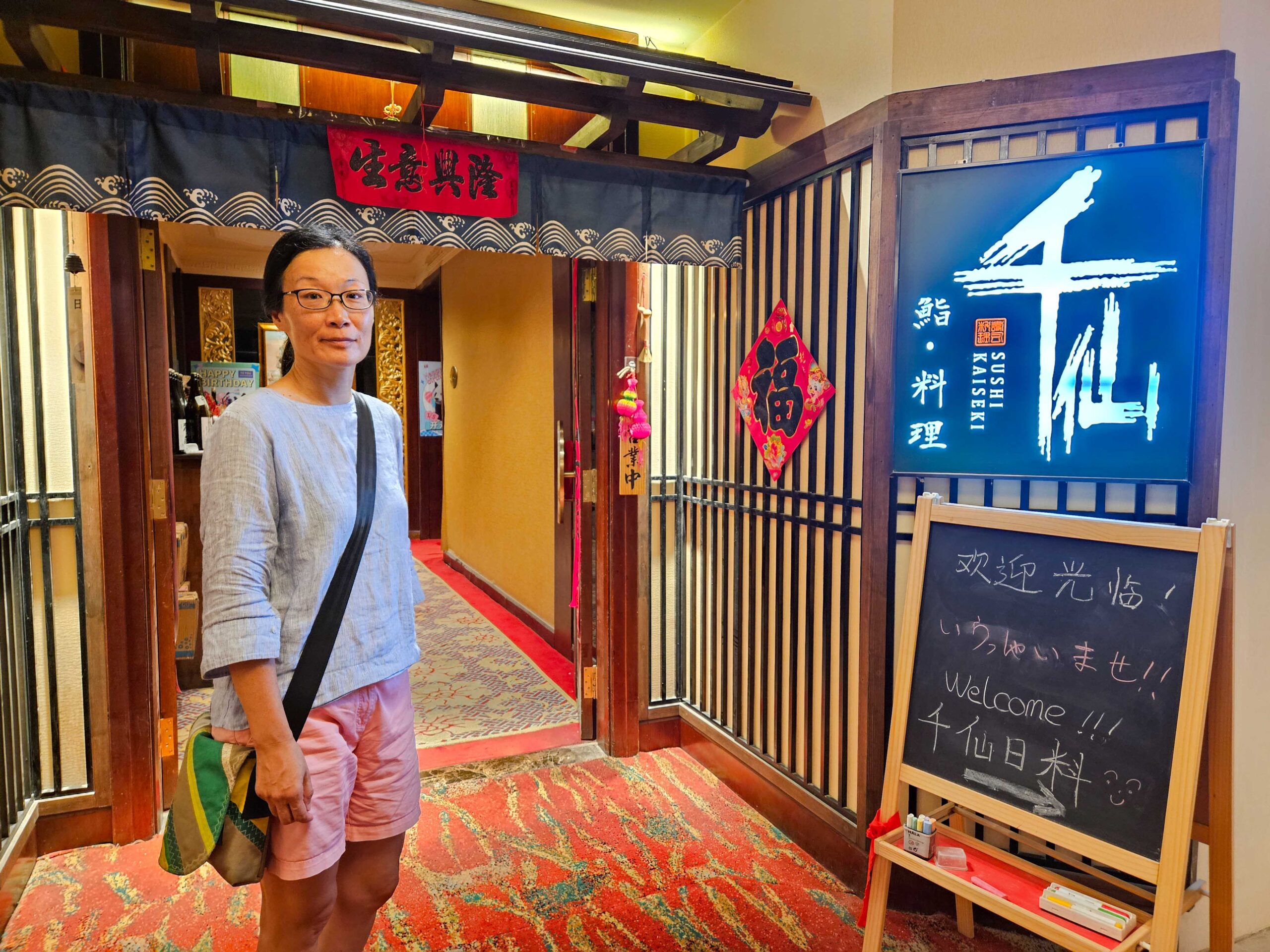
We had Japanese lunch in the Korean area and we thought we had gone to Korea as the whole street is dotted with Korean barbecue restaurants and many street hawkers selling Korean rice wine. I would save the history of Joseon another time.
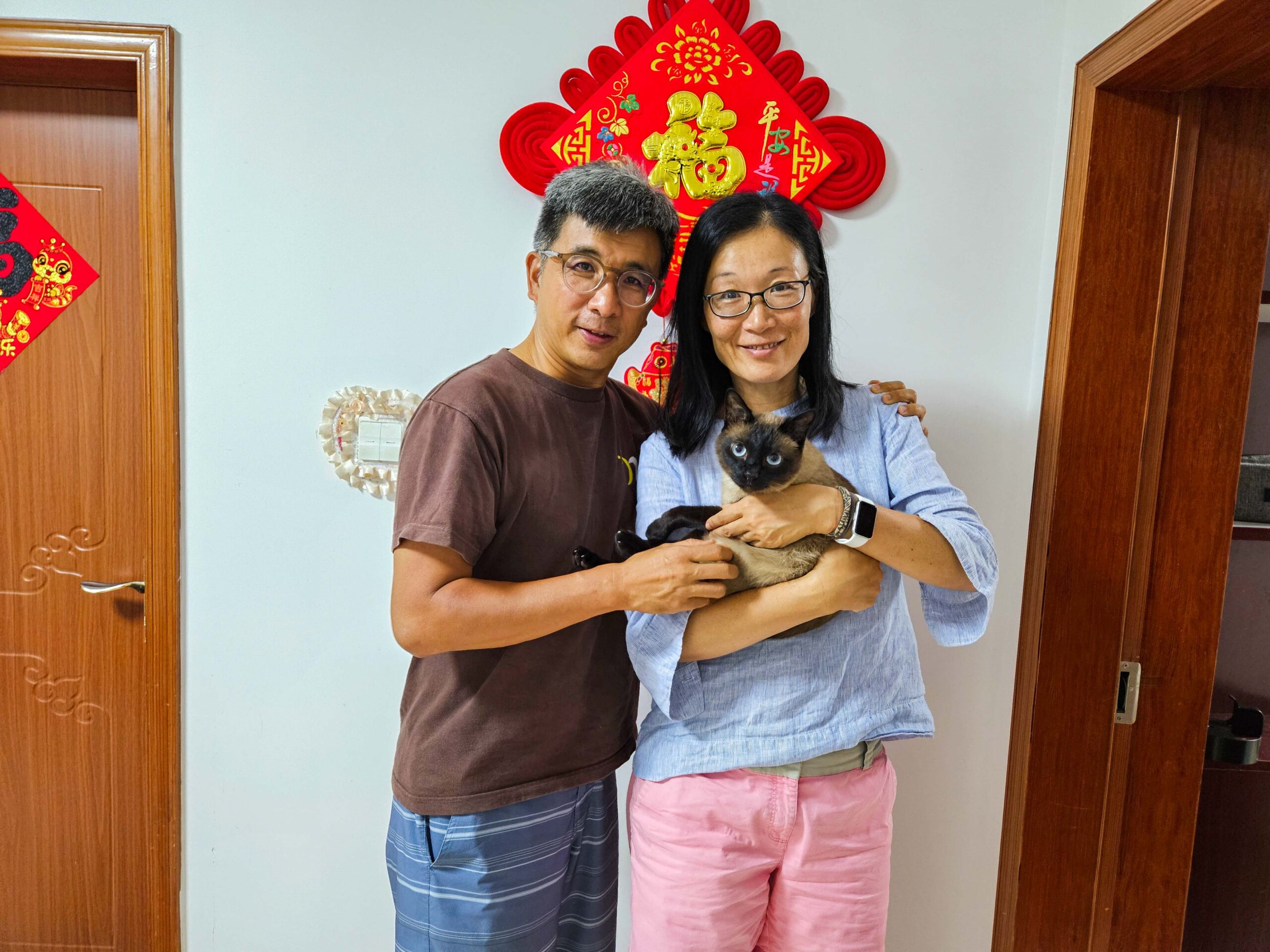
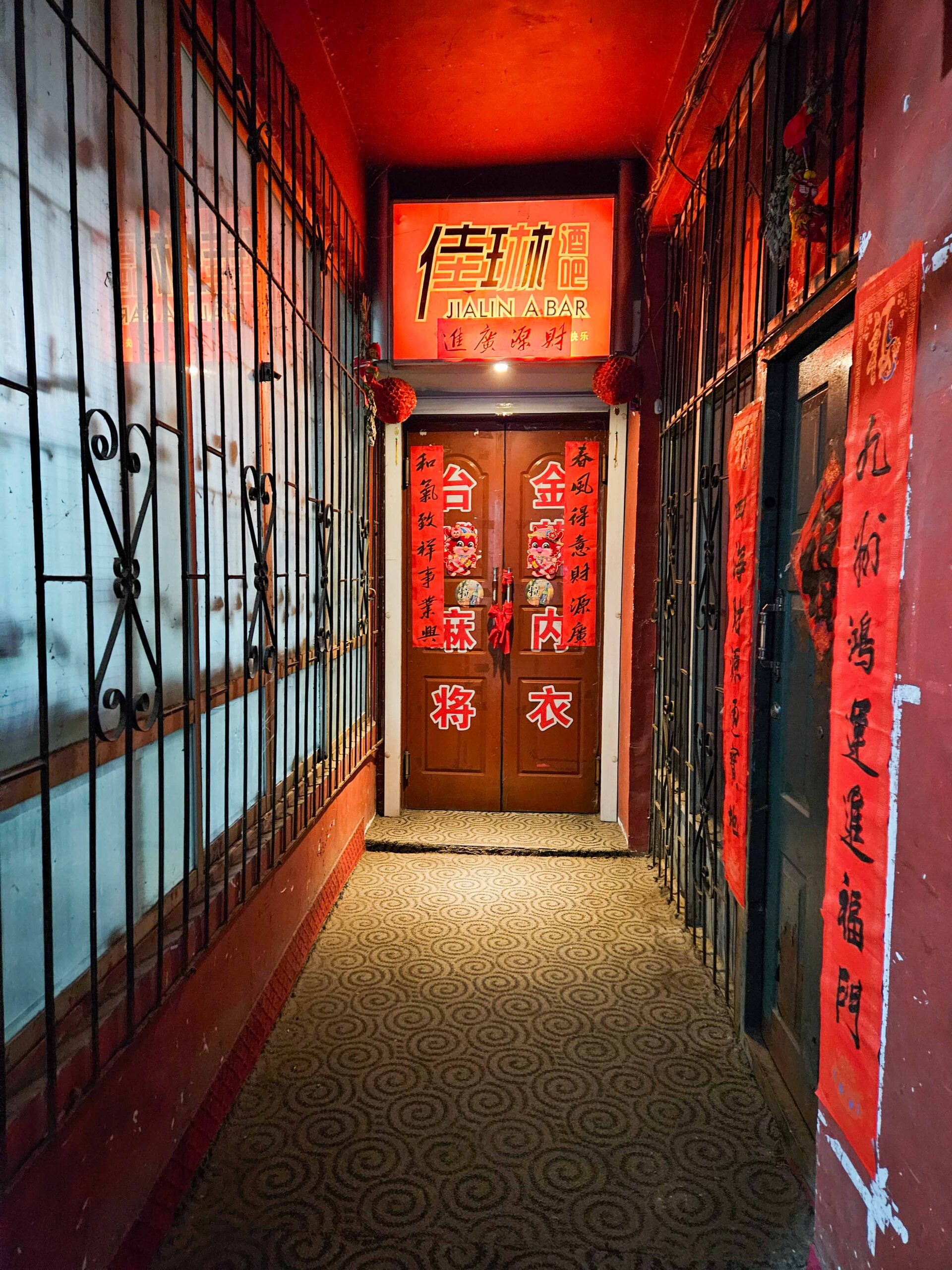
We went to visit Xiaolin in Benxi (本溪) and she took us to a Dongbei barbecue dinner. We explored the town next day and went to the only coffee place after lunch. It was like walking into the film set of “In the Mood for Love” as it was inside an old dilapidated building in the 50s or 60s. After climbing the dim‑lit staircase with old posters and portrait prints on the wall, we found ourselves looking at a long corridor of never‑ending rusty steel windows with sunlight seeping through. The café was at the far end of the corridor.
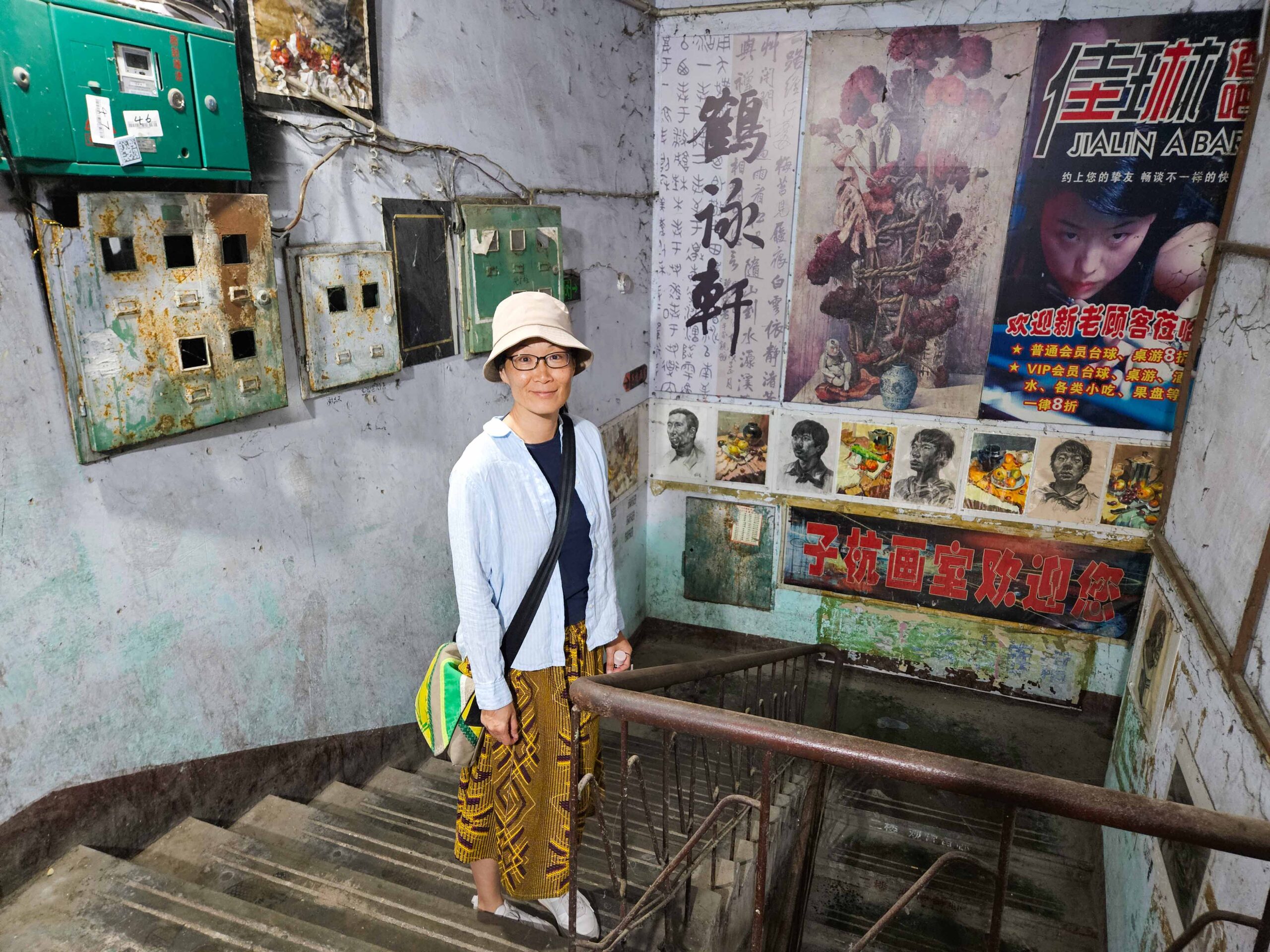
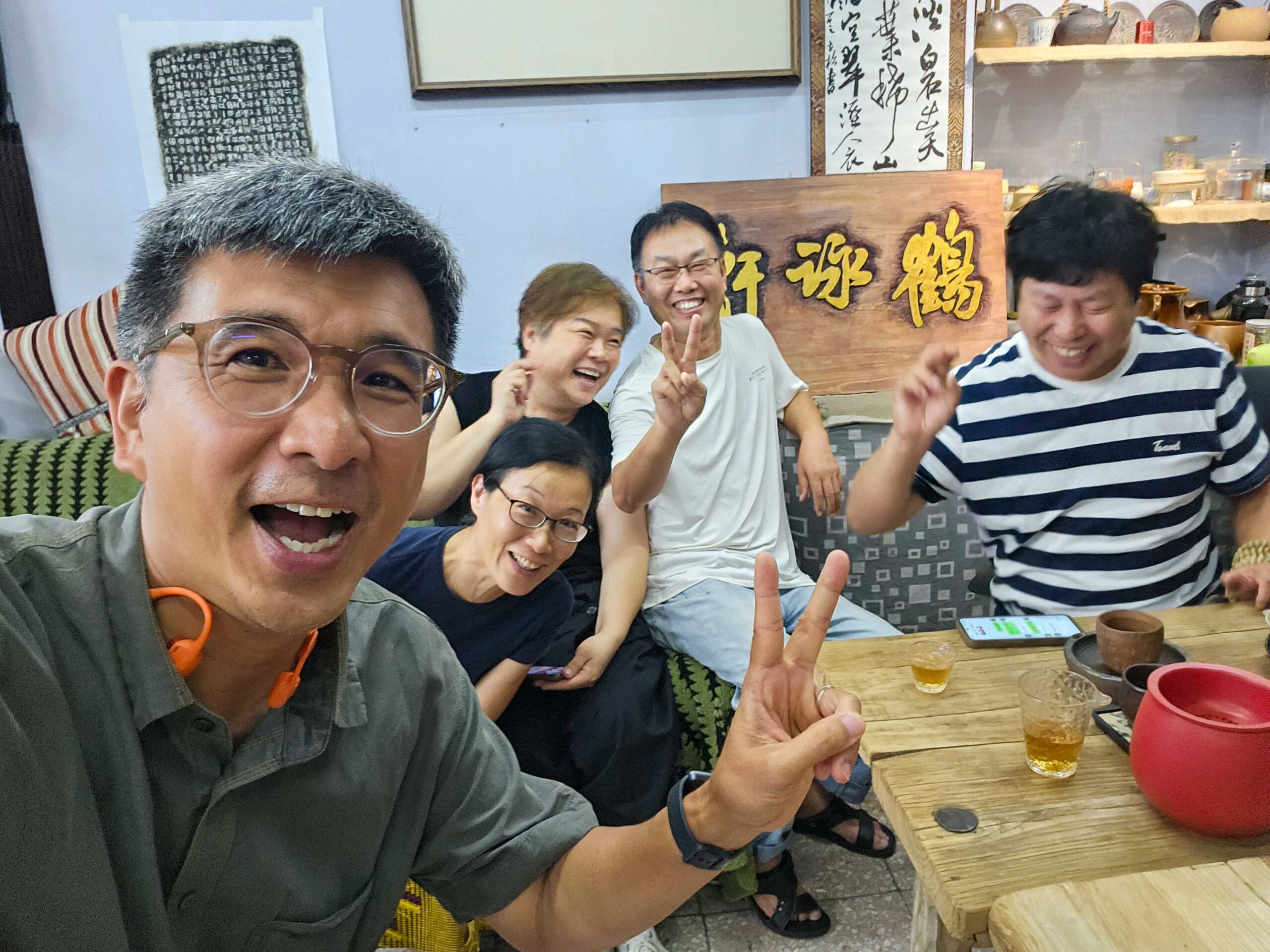
We ended up spending hours in this old building. Not that we didn’t try to leave earlier. We left the café around 5pm and were about to walk down the stairs when an enthusiastic couple entered the building and saw us. They started chatting to us and insisted on inviting us to their studio for tea. So we stayed. Two hours later, when we wanted to leave, the artist from next door joined us. They were so passionate and curious about our lives. The couple’s parents are also from Shandong while the artist is from a well‑to‑do family which had coal‑mining business in Fushun (not far from Benxi which used to be one of the major coal mining cities). Our conversation just flowed and before we knew it, it was 9:30pm. We finally called it a night. They wanted to treat us to dinner the next day but we had to leave and said that we hoped to see them again next time.
The next morning Xiaolin joined us for breakfast before work to say goodbye. She gave us a huge bag of millet which is a Dongbei specialty. Our paths would cross again later when we were in Dalian!